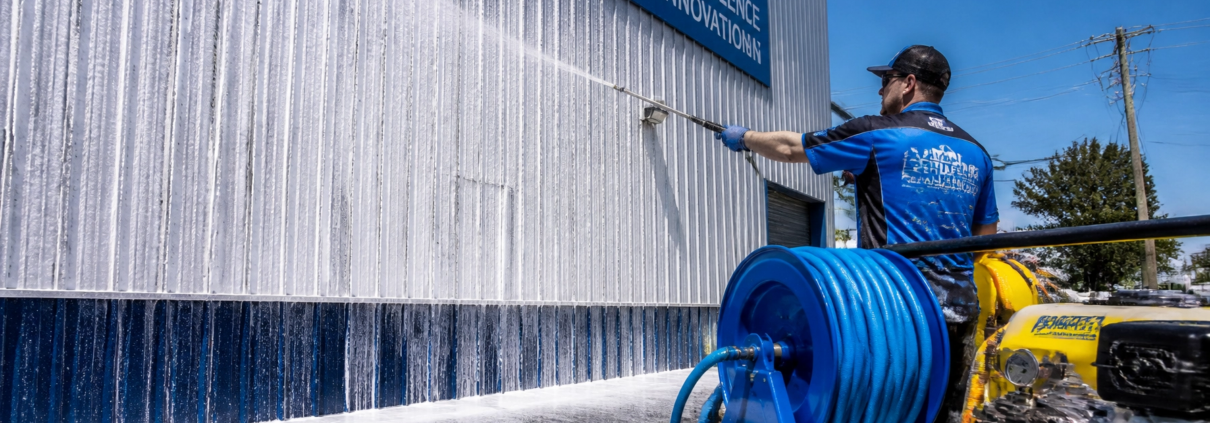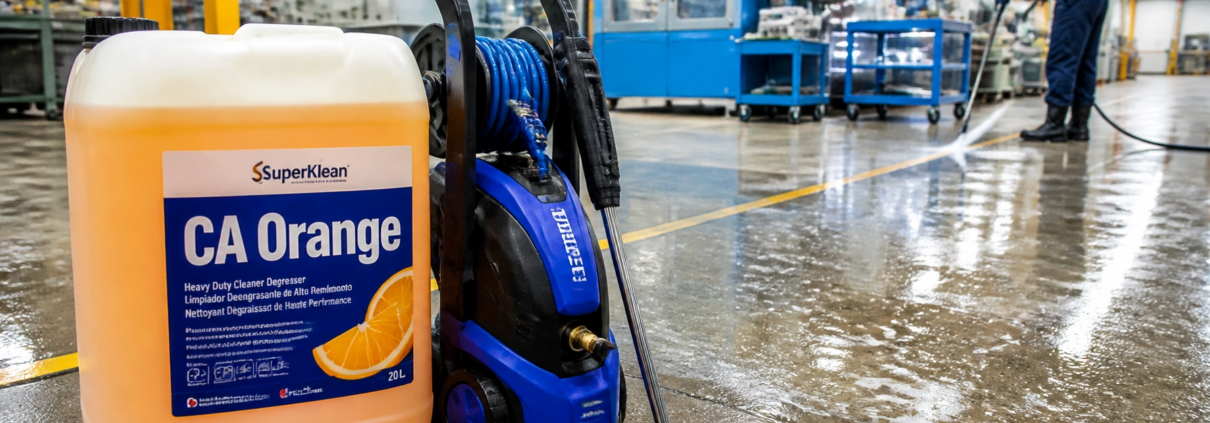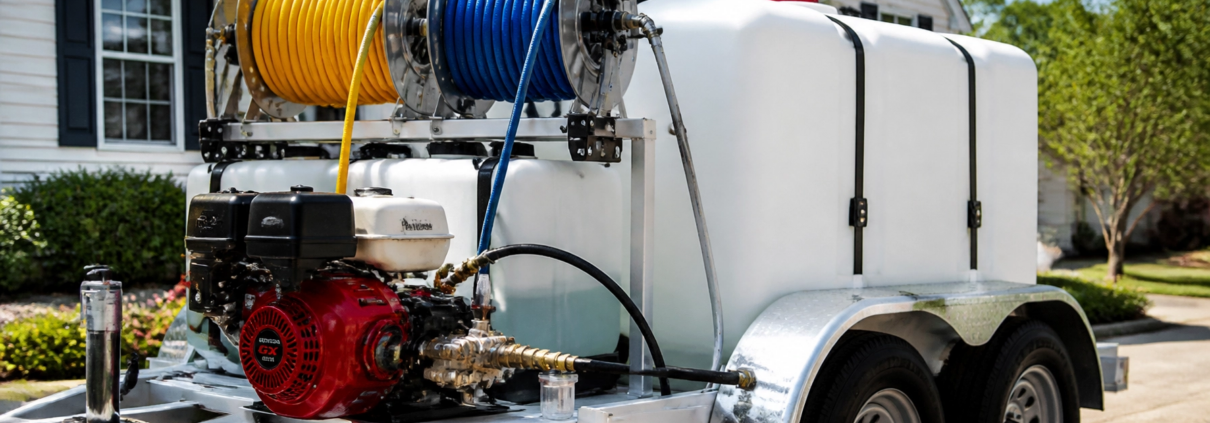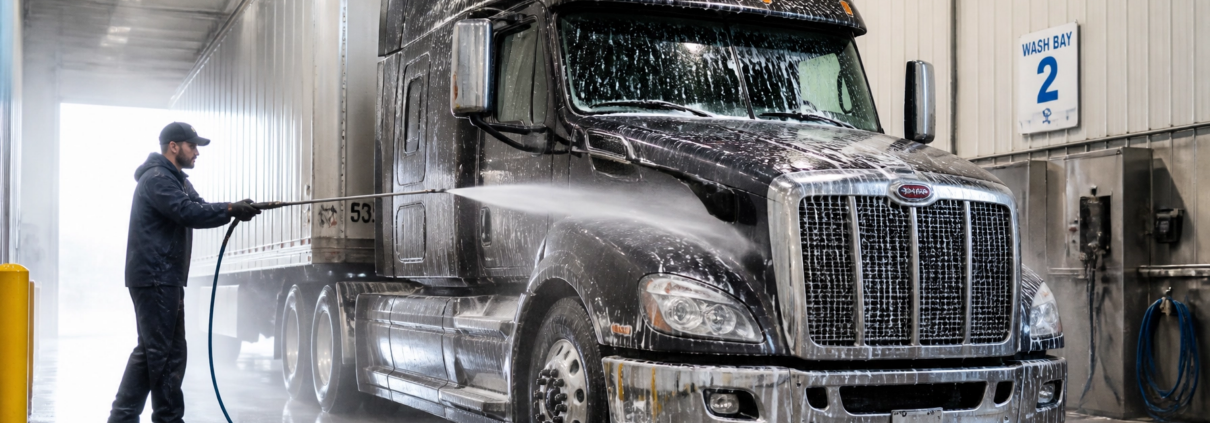
The maintenance of heavy industrial machinery is a critical operation for ensuring longevity, operational efficiency, and safety. Accumulations of grease, oil, and hydraulic fluid not only obscure structural defects but also increase the risk of thermal incidents and mechanical failure. To mitigate these risks, a standardized degreasing procedure must be implemented. By utilizing high-performance chemical solutions such as those provided by Pro Chemical Products, facilities can significantly reduce labor hours while maintaining the integrity of their fleet.

This guide delineates a comprehensive five-step methodology designed for industrial facilities to optimize the degreasing process for heavy equipment.

1. Preparation of the Wash Environment and Safety Protocol

Before the initiation of any degreasing activity, the preparation of a designated wash area is mandatory. Industrial facilities are required to utilize a contained environment, such as a wash rack or a bermed pad equipped with a filtration system. This ensures that oily wastewater and chemical runoff are captured and treated in accordance with environmental regulations.

Personal Protective Equipment (PPE) is an essential component of the preparation phase. Technicians must be outfitted with:

  • Chemical-resistant gloves (heavy-duty nitrile or neoprene)
  • Full-face shields or splash-resistant goggles
  • Insulated, waterproof coveralls
  • Non-slip, chemical-resistant safety boots

Essential industrial safety gear including gloves and a face shield next to a 55-gallon drum of CA Orange Degreaser.

Prior to chemical application, the machine must be inspected for loose components, damaged seals, or exposed electrical wiring. It is recommended that attachments, such as buckets or forks, are removed to facilitate access to the chassis and undercarriage. Furthermore, ensuring the machinery has cooled is critical to prevent the flash-drying of chemicals, which can result in surface damage or reduced efficacy.

2. Mechanical Removal of Bulk Contamination

The removal of heavy mud, clay, and consolidated debris is the second phase of the process. High-pressure water should not be the primary tool for removing large solid masses, as this can lead to the displacement of debris into sensitive mechanical joints or the surrounding environment. Instead, manual tools such as scrapers, spades, or industrial brushes are utilized to dislodge heavy buildup.

Once bulk solids are removed, a pre-rinse using warm water is conducted. This process assists in softening the top layers of grease and warming the metal surfaces, which enhances the chemical reaction of the degreaser in subsequent steps. During this phase, direct high-pressure contact with electrical connectors, bearings, and hydraulic seals must be avoided to prevent moisture ingress.

3. Systematic Application of Industrial Degreaser

The selection of an appropriate chemical agent is the most vital factor in time efficiency. For heavy industrial equipment, an alkaline, non-butyl super-strength degreaser such as CA Orange is highly effective. This formulation is engineered to break the molecular bonds of heavy grease and carbonized oils without the use of harsh butyl solvents.

The application process should follow a bottom-to-top trajectory:

  1. Undercarriage and Tracks: These areas typically harbor the highest concentration of lubricants and environmental contaminants.
  2. Engine Compartment and Chassis: Care is taken to coat the surfaces of the engine block and frame.
  3. Upper Structures and Boom: The remaining surfaces are coated last to ensure even coverage.

A technician applying CA Orange degreaser to the soiled undercarriage of a heavy industrial vehicle.

By applying the solution from the bottom up, the risk of "streaking": where chemical runoff creates permanent marks on clean surfaces: is eliminated. The use of specialized foaming equipment is recommended, as foam increases the contact time of the active ingredients on vertical surfaces.

4. Dwell Time and Mechanical Agitation

Once the degreaser is applied, a dwell period is required to allow the surfactants to emulsify the grease. For industrial-grade products like those from Pro Chemical Products, a dwell time of 15 to 20 minutes is generally sufficient. It is imperative that the solution remains wet during this period; if drying occurs, a light mist of water or additional chemical solution must be applied.

During the dwell period, mechanical agitation is performed on areas with extreme buildup. Industrial brushes or long-reach scrubbers are utilized to disturb the grease layers, allowing the chemical to penetrate deeper into the substrate. This step is particularly important for pivot points, hinge pins, and areas adjacent to hydraulic fittings where grease accumulation is most dense.

High-pressure water being utilized to rinse dissolved grease and sludge from a large industrial engine.

5. High-Pressure Rinsing and Final Inspection

The final stage involves a thorough high-pressure rinse to remove the emulsified grease and chemical residue. In contrast to the application phase, rinsing is conducted from the top down. This technique ensures that gravity assists in moving the suspended contaminants toward the drainage system, preventing the re-soiling of previously cleaned areas.

After the rinsing is complete, a comprehensive inspection is performed:

  • Visual Verification: Surfaces are checked for any remaining grease or "film."
  • Operational Check: The machinery is inspected for any signs of water intrusion in electrical or intake systems.
  • Relubrication: It is standard industrial practice to apply fresh grease to all pivot points and fittings immediately following a deep clean, as the degreasing process removes necessary lubrication.

The equipment should be allowed to air dry in a ventilated area. For facilities requiring immediate redeployment, compressed air may be utilized to remove standing water from crevices and electrical housings.

A line of clean, well-maintained heavy construction equipment after the degreasing and cleaning process.

Conclusion

Implementing a structured five-step degreasing protocol significantly reduces the downtime associated with equipment maintenance. By utilizing professional-grade formulations such as CA Orange or MF Degreaser from Pro Chemical Products, industrial facilities can ensure their heavy machinery remains in peak operational condition.

Since 1971, Pro Chemical Products has provided the industry with high-performance chemical solutions and expert technical support. For organizations requiring custom formulations or large-scale supply of industrial degreasers, contact is invited through the official website.

The efficacy of industrial cleaning operations is fundamentally dependent upon the strategic selection and application of specialized chemical formulations. In the competitive landscape of professional pressure washing and fleet maintenance, the utilization of high-performance chemicals facilitates superior results, reduces labor duration, and ensures the preservation of structural integrity across various substrates. Pro Chemical Products, an entity established in 1971, provides a comprehensive suite of industrial-grade solutions engineered to address the rigorous demands of commercial cleaning sectors.

The Critical Function of Chemistry in Surface Restoration

Pressure washing is frequently misperceived as a purely mechanical process. However, the integration of advanced chemistry is essential for the emulsification of hydrocarbons, the neutralization of organic growth, and the removal of atmospheric pollutants. The reliance on water pressure alone often necessitates excessive force, which can lead to irreversible substrate damage. Conversely, the systematic application of surfactants, degreasers, and detergents allows for the chemical decomposition of contaminants, enabling efficient removal with reduced mechanical stress.

For professionals seeking to optimize operational efficiency, understanding the specific properties of each chemical category is paramount. These categories include surfactants for soft washing, alkaline degreasers for industrial applications, and specialized dressings for automotive detailing.

Surfactants and the Optimization of Soft Washing

Soft washing is a technique utilized for the cleaning of delicate surfaces, such as residential siding and roofing materials, where high pressure is contraindicated. The primary cleaning agent in this process is typically Sodium Hypochlorite, a powerful oxidizer. However, the effectiveness of this solution is significantly enhanced through the incorporation of a high-quality surfactant.

Detailed close-up of thick white chemical foam adhering to a vertical surface

Surfactant 141: Enhancing Dwell Time and Stability

Surfactant 141 is a specialized additive designed to augment the performance of bleach-based cleaning solutions. Its primary function is to reduce the surface tension of the liquid, allowing for uniform coverage and improved adherence to vertical surfaces.

Key technical advantages of Surfactant 141 include:

  • Superior Foaming Action: The generation of dense foam ensures that the cleaning agent remains in contact with the surface for an extended duration, a concept known as "dwell time."
  • Enhanced Bleach Stability: The formulation is engineered to remain stable when mixed with high concentrations of Sodium Hypochlorite, preventing the premature degradation of the active cleaning agent.
  • Improved Visibility: The presence of foam allows the technician to visually confirm that the entire target area has been treated, preventing missed spots and redundant applications.

Proper utilization of this surfactant facilitates a more thorough cleaning process while minimizing the volume of chemicals required, thereby optimizing material costs for the business.

Fleet Washing and Industrial Vehicle Maintenance

The maintenance of commercial fleets requires specialized formulations capable of removing "road film", a complex layer of grease, exhaust particulates, and inorganic minerals that adheres to vehicle surfaces through electrostatic bonds. Standard detergents are often insufficient for achieving a "brushless" or touchless clean in these environments.

Commercial semi-truck being cleaned in an industrial wash bay

Professional fleet washing protocols frequently involve a multi-stage chemical application. The initial stage often utilizes an alkaline pre-soak to penetrate the road film, followed by a high-pressure rinse. For businesses focused on providing a premium finish, the application of detailing products is the final step in the restoration process.

Pro Star Tire Dressing: Professional Grade Aesthetics

Pro Star Tire Dressing is a solvent-based formulation designed for the rapid restoration of rubber surfaces. Unlike water-based alternatives, this premium dressing offers exceptional durability and a high-gloss finish that withstands environmental exposure.

Close-up of a high-gloss treated commercial vehicle tire

The technical characteristics of Pro Star Tire Dressing include:

  • Fast Drying Intervals: The solvent-based carrier evaporates quickly, allowing for rapid vehicle turnaround.
  • Deep Penetration: The chemical structure allows the product to bond with the rubber, providing a long-lasting barrier against UV degradation and moisture.
  • Superior Gloss Retention: The formulation produces a deep, black finish that significantly enhances the professional appearance of fleet vehicles.

Industrial Degreasing: Neutralizing Heavy Hydrocarbons

In industrial manufacturing facilities and commercial automotive shops, the accumulation of grease and oils poses both safety and maintenance challenges. The removal of these substances requires the use of heavy-duty degreasers formulated with powerful alkaline builders and solvent additives.

CA Orange: The Alkaline Super-Strength Solution

CA Orange is an alkaline, non-butyl degreaser engineered for maximum strength. It is particularly effective for the removal of animal fats, vegetable oils, and petroleum-based lubricants.

Application of industrial degreaser on a greasy surface highlighting chemical action

Applications for CA Orange include:

  1. Concrete Floor Restoration: Neutralization of oil deposits in service bays and warehouses.
  2. Heavy Machinery Maintenance: Degreasing of industrial equipment and engine components.
  3. Food Service Sanitation: Removal of grease buildup in commercial kitchen environments (subject to proper rinsing protocols).

The absence of butyl cellosolve in this formulation reduces the potential for respiratory irritation among personnel, making it a preferred choice for indoor industrial applications.

Facility Maintenance: Beyond the Pressure Wand

Professional cleaning services often extend beyond exterior surfaces to include interior floor care and personnel hygiene. Pro Chemical Products provides specialized solutions for these requirements, ensuring a comprehensive approach to facility management.

Meta Mop: Precision Floor Care

For the maintenance of finished flooring, the use of neutral cleaners is mandatory to prevent the stripping of wax or the etching of delicate surfaces. Meta Mop is a totally neutral, no-rinse cleaner designed for high-traffic environments. It effectively removes soil while preserving the integrity of floor finishes, ensuring long-term durability and aesthetic consistency.

Unique: Specialized Hand Cleansing

The health and safety of personnel are supported by the use of appropriate skin cleansers. Unique is an extremely mild body shampoo and skin cleanser. It provides rich sudsing and effective cleaning without the harshness associated with industrial soaps, making it suitable for frequent use in professional settings.

Technical Standards for Chemical Application

To maximize the efficacy of Pro Chemical Products' formulations, technicians must adhere to established technical standards. These variables directly influence the quality of the final result:

  • Dilution Ratios: Precise measurement is required to ensure that the chemical concentration is sufficient for soil removal without being wasteful or damaging to the substrate.
  • Water Temperature: Many alkaline cleaners and degreasers exhibit increased activity at elevated temperatures (typically between 110°F and 140°F).
  • Dwell Time: Allowing the chemical to remain on the surface for a predetermined interval (3–5 minutes) is essential for the completion of the chemical reaction. However, it is imperative that the solution is not allowed to dry, as this can lead to permanent staining or streaking.
  • pH Compatibility: The pH of the cleaning solution must be matched to the sensitivity of the substrate. For instance, polished aluminum requires pH-neutral solutions to avoid etching.

Conclusion

The integration of professional-grade chemicals from Pro Chemical Products provides a strategic advantage for businesses in the cleaning and maintenance industries. By utilizing specialized formulations such as Surfactant 141 for soft washing, CA Orange for heavy degreasing, and Pro Star Tire Dressing for automotive detailing, service providers can achieve superior results with greater efficiency.

For technical inquiries or to procure industrial cleaning solutions, individuals are encouraged to contact Pro Chemical Products, a family-owned business with over five decades of expertise in chemical manufacturing.

In the professional cleaning industry, sodium hypochlorite is utilized as a primary oxidizing agent for sanitization, organic stain removal, and structural maintenance. While commonly referred to as "bleach," the chemical efficacy of this compound is determined by its concentration, stability, and the precision with which it is applied. Many commercial operations inadvertently diminish their profit margins by utilizing degraded or improperly concentrated solutions.

The following ten points provide a technical overview of sodium hypochlorite, its degradation kinetics, and the methodologies required to optimize its performance in industrial applications, particularly within the soft wash and pressure washing sectors.

1. Understanding Concentration Disparity

The most significant difference between consumer-grade and industrial-strength sodium hypochlorite is the percentage of available chlorine. Retail bleach typically contains between 5% and 7.5% sodium hypochlorite. In contrast, professional-grade solutions provided by Pro Chemical Products are formulated at 10% to 15% concentrations. For industrial applications, the higher concentration is preferred as it facilitates greater cleaning power per gallon, reducing the volume of liquid that must be transported and stored on-site.
2. The Mechanics of Soft Washing

Soft washing is a cleaning methodology that utilizes low-pressure delivery systems and chemical solutions to remove biological growth such as algae, mold, and mildew. Sodium hypochlorite is the active ingredient in most soft wash recipes. When applied to surfaces, the chemical breaks down the cellular structures of organic matter. To ensure the solution remains on the target surface for the required dwell time, surfactants such as Surfactant 141 are integrated into the mixture. Surfactant 141 is engineered to assist the bleach in adhering to vertical surfaces, maximizing the oxidative reaction.

Professional soft wash application on a residential roof using low-pressure equipment and thick foam

3. Degradation Factors: Heat and Light

Sodium hypochlorite is an inherently unstable molecule. Its decomposition into salt and oxygen is accelerated by environmental factors, most notably temperature. Research indicates that a 10°C increase in temperature can increase the degradation rate by approximately 3.5 times. Solutions stored in high-heat environments or exposed to direct ultraviolet (UV) radiation lose their oxidative potential rapidly. It is recommended that industrial bleach be stored in cool, shaded areas to maintain its labeled potency.

4. The Impact of Concentration on Stability

Counterintuitively, higher concentrations of sodium hypochlorite degrade faster than lower concentrations. A 12.5% industrial solution is more volatile than a 6% household solution. This is due to the second-order decomposition kinetics of the chemical; as the concentration of hypochlorite ions increases, the frequency of molecular collisions that lead to decomposition also increases. Therefore, purchasing "hot" (fresh) high-strength bleach from a reliable manufacturer like Pro Chemical Products and utilizing it within a short timeframe is critical for maximum efficiency.

5. Proper Storage Protocols

To mitigate the loss of chemical strength, specific storage protocols must be observed. Containers must be constructed from high-density polyethylene (HDPE) or other bleach-compatible materials. Caps should remain tightly sealed to prevent the introduction of contaminants and to minimize exposure to air, which can facilitate the off-gassing of oxygen. If a container is frequently opened or left unsealed, the concentration of free available chlorine (FAC) can decrease by up to 19% over a three-month period.

Chemical storage area with blue HDPE drums and professional labeling systems

6. The Necessity of Fresh Dilution

In many professional settings, concentrated sodium hypochlorite is diluted before application. However, once diluted, the solution becomes even more unstable. Guidelines from various technical institutions suggest that diluted bleach solutions should be prepared fresh on the day of use or, at minimum, on a weekly basis. Utilizing a diluted mix that has been stored for several weeks will result in insufficient cleaning results, necessitating more chemical usage and labor.

7. Role of Surfactants in Performance

The efficacy of sodium hypochlorite in exterior cleaning is significantly enhanced by the addition of specialized surfactants. Standard soaps may react negatively with the high pH of bleach, causing the solution to "break" or lose its foaming properties. Pro Chemical Products' Surfactant 141 is specifically formulated to be bleach-stable. It reduces the surface tension of the water, allowing the sodium hypochlorite to penetrate porous surfaces (such as concrete or wood) more deeply, ensuring that organic roots are neutralized rather than just surface-cleaned.

8. PH Balancing and Stabilization

Industrial sodium hypochlorite is typically manufactured with a small excess of sodium hydroxide (caustic soda). This maintains a high pH level, usually between 11.8 and 13. High alkalinity is necessary to stabilize the hypochlorite ion. If the pH of the solution drops, due to dilution with acidic water or the addition of incompatible chemicals, the hypochlorite will rapidly decompose into chlorine gas, which is hazardous and ineffective for surface cleaning.

9. Safety and Handling Requirements

Due to its corrosive nature and high pH, sodium hypochlorite must be handled with appropriate Personal Protective Equipment (PPE). This includes chemical-resistant gloves, safety goggles, and respiratory protection when working in confined spaces. Furthermore, it must never be mixed with acids or ammonia-based cleaners, as this produces toxic chlorine or chloramine gases. Professional-grade formulations provided by manufacturers such as Pro Chemical Products are designed for safety when utilized according to the Safety Data Sheets (SDS).

Technician in safety gear handling industrial chemicals in a controlled environment

10. Calculating the "Cost Per Clean"

Purchasing cheaper, lower-concentration bleach from retail outlets often results in a higher "cost per clean" than purchasing industrial-strength solutions. When the cost of transportation, storage space, and the increased volume required for a specific job are factored in, the value of high-concentration product becomes evident. For instance, a 12.5% solution from Pro Chemical Products provides twice the oxidative power of a standard 6% retail bottle, effectively halving the required application volume for the same surface area.

Strategic Implementation for Professionals

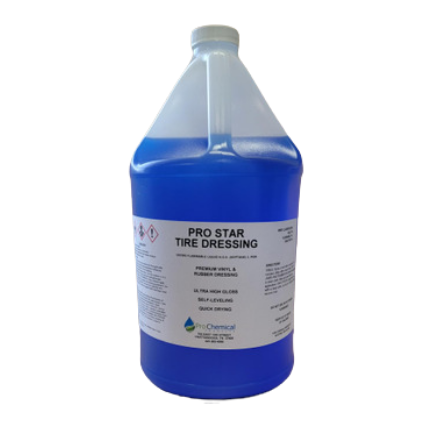
For businesses involved in fleet washing, pressure washing, or industrial degreasing, the choice of chemical supplier is a strategic decision. Pro Chemical Products, a family-owned business established in 1971, offers professional-grade formulations that ensure consistency and effectiveness. Beyond sodium hypochlorite, the company provides a comprehensive range of solutions, including CA Orange degreasers and Pro Star Tire Dressing for the auto detailing sector.

By understanding the technical nuances of sodium hypochlorite, from its degradation kinetics to the importance of surfactant compatibility, professionals can eliminate waste, improve cleaning outcomes, and maintain higher safety standards.

For further technical assistance or to procure high-stability sodium hypochlorite and Surfactant 141, please visit Pro Chemical Products or contact our support team.

The preservation of structural integrity while performing restorative cleaning is a primary objective in the professional exterior maintenance industry. Soft washing, a low-pressure chemical cleaning methodology, has emerged as the definitive standard for treating delicate surfaces that are susceptible to damage from high-pressure water streams. Unlike traditional pressure washing, which relies on kinetic force, soft washing utilized chemical reactions to emulsify organic contaminants such as algae, mold, mildew, and lichen.

Selecting the appropriate chemical composition is critical to ensure cleaning efficacy without compromising the substrate. This guide examines the technical parameters of soft wash mixes, specifically focusing on the integration of commercial-grade Sodium Hypochlorite and high-performance surfactants like Surfactant 141 from Pro-Chemical Products.

Technical Components of an Effective Soft Wash Mix

A standard soft wash solution is comprised of three fundamental elements: a primary oxidizing agent, a surfactant, and a water carrier. The precise ratio of these components determines the solution's potency and suitability for specific substrates.

1. Sodium Hypochlorite (SH)

Sodium Hypochlorite serves as the active biocidal agent. In professional applications, it is typically sourced at a 12.5% industrial concentration. This chemical is responsible for the eradication of organic growth at the cellular level. When applied to surfaces, it breaks down the proteins in organic matter, facilitating easy removal during the rinsing phase.

2. Surfactant 141

A surfactant, such as Surfactant 141, is an essential additive that modifies the surface tension of the liquid. The inclusion of Surfactant 141 provides several technical advantages:

  • Enhanced Dwell Time: It increases the viscosity of the mix, allowing it to adhere to vertical surfaces for extended durations.
  • Improved Visibility: The foaming action assists the technician in identifying treated areas, ensuring uniform application.
  • Scent Masking: Professional formulations often include masking agents to mitigate the inherent odor of chlorine.
  • Surface Tension Reduction: It facilitates the penetration of the solution into porous materials, ensuring a deeper clean.

3. Water (Carrier)

Water is utilized to dilute the concentrated Sodium Hypochlorite to a safe and effective percentage for the targeted surface.

Close-up of a high-quality industrial chemical container labeled Surfactant 141. The background shows a clean, organized chemical manufacturing or storage facility. The colors are bold and primary, emphasizing the industrial nature of the product. The lighting is soft and even, highlighting the technical details of the packaging.

Comparative Analysis of Mix Ratios by Surface Type

Different architectural surfaces require specific chemical concentrations to achieve optimal results without causing oxidation or structural degradation. The following table outlines the recommended "on-surface" percentages of Sodium Hypochlorite when utilizing a 12.5% SH stock.

Surface Type Target SH Concentration Mix Ratio (12.5% SH to Water) Primary Goal
Vinyl Siding 1.0% – 1.5% 1:11 to 1:8 Removal of algae and mildew without oxidation.
Asphalt Shingles 3.0% – 4.0% 1:3 to 1:2 Eradication of Gloeocapsa magma and lichen.
Stucco / Dryvit 2.0% – 3.0% 1:5 to 1:3 Penetration of porous texture to lift deep-seated mold.
Painted Wood 0.5% – 1.0% 1:24 to 1:11 Gentle cleaning to prevent paint stripping or lifting.
Concrete / Brick 3.0% – 4.0% 1:3 to 1:2 Heavy-duty cleaning of deep organic stains.

Vinyl Siding and Delicate Painted Surfaces

Vinyl siding is prone to oxidation, particularly if exposed to excessive chemical concentrations or prolonged UV radiation. A conservative mix of approximately 1% SH is generally sufficient for standard maintenance. The addition of Surfactant 141 is vital here to ensure the mix remains on the siding long enough to neutralize mold without drying prematurely, which can cause difficult-to-remove streaking.

Asphalt Shingle Roofing

Roofs typically harbor more resilient organic growth, such as lichen and moss, which possess root systems that anchor into the granules. Consequently, a higher concentration of 3% to 4% SH is required. Because roof surfaces are often steeply pitched, the foaming capabilities of Surfactant 141 are critical to prevent immediate runoff, thereby maximizing the dwell time necessary for the biocide to work effectively.

A wide-angle shot of a professional soft wash setup in action on a residential roof. A thick layer of white foam is visible on the asphalt shingles. The image shows the contrast between the treated white foam area and the dark, algae-covered shingles. The overall tone is professional and service-oriented. (Note: Placeholder link used for illustrative purposes; imagine a professional roof foam application)

Implementation Strategies: Batch Mixing vs. Proportioning

Technicians must decide between two primary delivery methods: batch mixing and proportioning.

Batch Mixing

This process involves mixing the entire solution in a single tank prior to arrival at the job site.

  • Advantages: Ensures a precise, consistent concentration throughout the application.
  • Disadvantages: Chemicals degrade over time once mixed, and unused solution may lead to waste.

Proportioning (Downstreaming)

Systemized proportioners or downstream injectors pull concentrated chemicals and mix them with water at the point of application.

  • Advantages: Allows for "on-the-fly" adjustments to the mix ratio based on the specific surface or level of growth encountered.
  • Disadvantages: Requires calibrated equipment to ensure accuracy; downstreaming often limits the SH concentration to lower levels (typically below 2%).

For professionals requiring industrial-strength solutions, Pro-Chemical Products provides the necessary chemical foundations for both methodologies. Their Pressure Washing category includes high-foaming surfactants that are compatible with various proportioning systems.

Environmental and Safety Precautions

The application of Sodium Hypochlorite-based solutions necessitates strict adherence to safety protocols to protect both the operator and the surrounding environment.

  1. Vegetation Protection: High concentrations of SH can be phytotoxic. Landscaping should be pre-saturated with water to prevent chemical absorption. Following the application, a secondary rinse of all nearby foliage is mandatory.
  2. Substrate Pre-Wetting: On particularly porous or hot surfaces, pre-wetting with water can prevent the chemical from soaking in too quickly, which assists in a more uniform cleaning process and prevents "flash drying."
  3. Personal Protective Equipment (PPE): Operators should be equipped with chemical-resistant gloves, eye protection, and respiratory masks if working in confined or poorly ventilated areas.

A technician wearing professional safety gear, including gloves and eye protection, carefully rinsing landscaping near a house being soft washed. The focus is on the protection of the green plants. The lighting is bright and clean, emphasizing a responsible and professional approach to chemical application.

Conclusion

The selection of a soft wash mix is a technical decision that must be informed by the specific requirements of the substrate. For delicate surfaces like vinyl siding and stucco, a lower concentration of Sodium Hypochlorite combined with a high-cling surfactant like Surfactant 141 is the most effective approach. This combination ensures maximum dwell time and cleaning power while minimizing the risk of damage.

Pro-Chemical Products, a family-owned business since 1971, continues to provide the professional-grade formulations necessary for the industrial cleaning sector. For more information on optimizing your cleaning chemistry, explore our range of Pressure Washing and Food Service solutions.

The implementation of soft washing as a primary method for cleaning delicate exterior surfaces has revolutionized the industrial maintenance industry. Unlike traditional high-pressure washing, which relies on mechanical force to dislodge debris, soft washing is a chemical-centric process. It utilizes specialized solutions to neutralize organic contaminants such as mold, mildew, algae, and lichen at their biological roots. However, the transition from high-pressure methods to chemical-based soft washing introduces a new set of variables that must be meticulously managed. When these variables are overlooked, the results are often suboptimal, leading to property damage, chemical waste, and environmental hazards.

A primary component in a successful soft wash system is the surfactant. Within the catalog of Pro-Chemical Products, Surfactant 141 is recognized as a high-performance additive specifically engineered to augment the efficacy of sodium hypochlorite (bleach) solutions. By examining common operational errors, professional technicians can better appreciate how the integration of advanced surfactants facilitates superior cleaning results while minimizing risk.

Mistake 1: Inadequate Dwell Time and Excessive Chemical Runoff

One of the most frequent errors in soft washing is the failure to maintain sufficient dwell time. In chemical cleaning, "dwell time" refers to the duration the active cleaning agent remains in contact with the substrate before being rinsed. If a solution is applied and subsequently runs off the surface too quickly, the chemical reaction required to oxidize organic growth is prematurely halted.

On vertical surfaces: such as vinyl siding, stucco, or dryvit: gravity acts as a constant deterrent to dwell time. Standard bleach and water mixtures possess low viscosity and high surface tension, causing them to bead and cascade down the surface, often pooling at the base of the structure. This not only renders the cleaning process ineffective but also increases the risk of damage to landscaping and perimeter vegetation.

The Solution: Surfactant 141 and Surface Adhesion

Surfactant 141 is formulated to drastically reduce surface tension and increase the viscosity of the cleaning solution. When utilized in a soft wash mix, it creates a stable, thick foam that adheres to vertical substrates. This "cling" ensures that the sodium hypochlorite remains in direct contact with the contaminants for the necessary duration. According to industry standards maintained by organizations like the Power Washers of North America (PWNA), dwell time is the most critical factor in achieving a biological kill without resorting to destructive mechanical force. By utilizing Surfactant 141, the operator ensures that the chemistry is allowed to complete its task, resulting in a deeper clean with fewer applications.

Macro photograph showing thick cleaning foam clinging to a vertical brick surface.

Mistake 2: Incorrect Chemical Concentration and Mixing Ratios

In the pursuit of speed, many operators "eyeball" their chemical mixtures or utilize concentrations that are excessively high. While it may seem that a stronger bleach solution would yield faster results, the reality is often the opposite. High concentrations of sodium hypochlorite can be corrosive to metal fixtures, detrimental to paint finishes, and highly toxic to the surrounding environment. Conversely, a mixture that is too weak will fail to remove stubborn lichen or moss, necessitating repeated applications and increasing labor costs.

Achieving Chemical Synergy

The objective of professional soft washing is to achieve the "lowest effective concentration." This is the point where the solution is strong enough to kill the organic growth but mild enough to protect the substrate and surroundings. Surfactant 141 assists in this balance. Because it improves the "wetting" ability of the water, it allows the sodium hypochlorite to penetrate porous surfaces more effectively. When a solution can penetrate deeper into the pores of concrete or the crevices of siding, a lower total volume of chemical is required to achieve the desired outcome. Pro-Chemical Products provides formulations that ensure stability when mixed with commercial-grade Sodium Hypochlorite, preventing the premature degradation of the active ingredients.

Mistake 3: Over-Reliance on Mechanical Pressure

The term "soft wash" implies a low-pressure application, typically below 500 PSI. However, a common mistake occurs when a technician, frustrated by slow chemical action, increases the pressure on the pump to "blast" away remaining stains. This is particularly hazardous on roofing materials, such as asphalt shingles, where high pressure can dislodge the protective granules, or on wood siding, where it can cause "fuzzing" or permanent pitting.

The Chemistry-First Approach

The philosophy of soft washing dictates that the chemistry should perform the work, not the water pressure. If a surface is not coming clean at low pressure, the issue is almost always related to the chemical mix or the dwell time, not the lack of PSI. Surfactant 141 produces a visible foam trail, which acts as a marking agent. This allows the operator to verify total coverage and monitor the reaction in real-time. If the foam disappears too quickly, it indicates that the surface is highly porous or that the organic load is significant, signaling the need for a targeted re-application rather than an increase in pressure.

A professional technician measuring surfactant into a mixing tank.

Mistake 4: Neglecting Environmental Safety and Runoff Management

Soft washing involves the application of oxidizing agents that can be harmful if not managed correctly. A major operational mistake is the failure to account for runoff and overspray. Without a high-quality surfactant, the liquid solution is prone to drifting in the wind or running into storm drains and flower beds. This can lead to the death of expensive landscaping or environmental non-compliance.

Precision Application with Pro-Chemical Products

By incorporating Surfactant 141, the physical properties of the spray are modified. The foam created is heavier and more controlled than a simple liquid mist. This facilitates precision application, allowing the technician to apply the product exactly where it is needed while minimizing drift onto unintended areas. Furthermore, the high-foaming nature of the product makes it easier to track the flow of runoff, enabling the team to redirect or neutralize it before it enters sensitive areas. For those requiring specific safety data or application guidance, the Pro-Chemical Products contact team provides professional support to ensure compliance and safety.

Technical Specifications: Why Surfactant 141?

Surfactant 141 is not a standard soap; it is a specialized surfactant blend designed for the unique rigors of the pressure washing industry. Its chemical composition is engineered to be bleach-stable, meaning it will not break down or lose its foaming properties when mixed with high concentrations of sodium hypochlorite.

Key Functional Benefits:

  • Enhanced Wetting: Reduces the surface tension of water, allowing the solution to spread evenly and penetrate microscopic pores.
  • High Foam Profile: Generates a dense, stable foam that maximizes dwell time on vertical and sloped surfaces.
  • Scent Masking: Assists in masking the pungent odor of bleach, which is a significant benefit when working in residential or high-traffic commercial areas.
  • Compatibility: Fully compatible with other Pro-Chemical Products and standard soft wash equipment.

An industrial chemical mixing and distribution station.

Implementation Guide: The Optimal Soft Wash Mix

To avoid the aforementioned mistakes, a standardized mixing protocol should be established. While specific ratios may vary based on the severity of the organic growth, the following general guidelines are utilized by industry professionals:

  1. Preparation: Pre-wet all surrounding vegetation and sensitive surfaces with fresh water.
  2. Mixing: In a dedicated soft wash tank, combine the desired concentration of Sodium Hypochlorite (typically 1% to 6% for residential applications) with water.
  3. Additive Integration: Add Surfactant 141 at a ratio of approximately 1 to 2 quarts per 100 gallons of mix, depending on the desired foam density.
  4. Application: Apply from the bottom up on vertical surfaces to prevent streaking, utilizing a low-pressure fan tip.
  5. Dwell and Observation: Allow the foam to dwell for 10-15 minutes. Observe the color change of the organic growth (from green/black to brown/clear).
  6. Rinsing: Rinse thoroughly with low-pressure water, ensuring all surfactant and bleach residues are removed from the substrate and surrounding areas.

Conclusion

The transition to soft washing represents a significant advancement in property maintenance, but it requires a commitment to chemical literacy and precision. Common mistakes such as inadequate dwell time, improper ratios, and excessive pressure can be mitigated through the use of high-quality additives. Surfactant 141 by Pro-Chemical Products serves as a critical tool for the professional washer, providing the adhesion and penetration necessary for a successful, damage-free clean. By prioritizing the role of chemistry over mechanical force, businesses can ensure long-term substrate integrity and superior customer satisfaction.

A side-by-side comparison of a building exterior before and after a soft wash treatment.

For more information on professional-grade cleaning solutions or to explore our full range of industrial chemicals, visit Pro-Chemical Products.

The selection of appropriate chemical cleaning agents is a critical decision for the maintenance of industrial facilities. In environments where heavy-duty machinery, automotive components, and large-scale manufacturing floors are present, the accumulation of grease, oils, and carbonized soils is inevitable. Standard industrial degreasers have long been the primary solution for these challenges; however, advancements in chemical formulation have introduced specialized alternatives such as CA Orange. This article provides a technical comparison between CA Orange, an alkaline, non-butyl super-strength degreaser, and conventional industrial degreasing agents to assist facility managers in determining the most effective solution for their specific operational requirements.

The Chemistry of Industrial Degreasing

To evaluate the efficacy of a degreaser, the underlying chemical mechanisms must be understood. Industrial soils typically consist of non-polar substances like petroleum-based oils, animal fats, or synthetic lubricants. Because these substances are not water-soluble, a degreaser must utilize surfactants and solvents to emulsify the soil and allow for its removal from the substrate.

Standard Degreasers: The Role of Butyl and Caustics

Most standard industrial degreasers rely on a combination of butyl cellosolve (ethylene glycol monobutyl ether) and strong alkaline builders such as sodium hydroxide or potassium hydroxide. These components are utilized for their ability to penetrate deep into heavy grease layers. Butyl solvents are effective at dissolving organic soils, while alkaline builders assist in the saponification of fats and the neutralization of acidic contaminants.

While effective, these standard formulations often present significant challenges. The use of butyl-based solvents is increasingly scrutinized due to potential health risks and regulatory restrictions related to volatile organic compounds (VOCs). Furthermore, highly caustic degreasers can be corrosive to sensitive metals, such as aluminum, and may cause skin and respiratory irritation for personnel if proper protective equipment is not strictly utilized.

CA Orange: The Non-Butyl Alkaline Alternative

CA Orange represents a departure from traditional butyl-based formulations. It is classified as an alkaline, non-butyl super-strength degreaser. The formulation leverages d-limonene: a natural solvent derived from citrus peels: in conjunction with specialized alkaline builders and surfactants. This combination is engineered to provide the aggressive cleaning power required for industrial applications without the reliance on butyl ethers.

The alkalinity in CA Orange provides the necessary strength to break down complex carbonized soils and heavy grease, while the citrus-based solvent component acts as a powerful emulsifier. This dual-action approach ensures that contaminants are not only lifted from the surface but are also suspended in the cleaning solution to prevent redeposition during the rinsing process.

Industrial degreaser being applied to heavy grease

Technical Performance Metrics

When comparing CA Orange to standard degreasers, several performance metrics must be considered, including solvency power, emulsification rate, and surface safety.

Solvency and Emulsification

Standard degreasers often provide rapid initial penetration of grease. However, CA Orange is frequently utilized in scenarios where persistent, heavy oils require a higher degree of emulsification. The d-limonene in CA Orange possesses a high Kauri-Butanol (KB) value, which is a standardized measure of solvent power. This allows the product to effectively dissolve adhesives, tars, and heavy lubricants that might resist standard water-based degreasers.

Dilution Ratios and Cost Efficiency

Efficiency in an industrial setting is often measured by the concentration required to achieve the desired result. Standard degreasers may require high concentrations (or even undiluted application) for heavy-duty tasks. CA Orange is formulated for maximum versatility and can be diluted significantly depending on the soil load.

  • Heavy Degreasing: Dilutions of 1:5 to 1:10 are utilized for engines, machinery, and heavy equipment.
  • Medium-Duty Cleaning: Dilutions of 1:20 to 1:50 are appropriate for industrial floors and warehouse maintenance.
  • Light Maintenance: Dilutions exceeding 1:100 are effective for general facility upkeep.

The ability to utilize a single product across multiple dilution levels assists in reducing inventory complexity and overall chemical expenditures.

Surface Compatibility and Material Safety

A significant concern in industrial maintenance is the potential for chemical damage to the surfaces being cleaned. Standard high-alkaline degreasers can be highly corrosive. If left on surfaces too long, they may etch glass, dull painted finishes, or cause pitting in soft metals like aluminum and zinc.

CA Orange is formulated to provide "super strength" cleaning while maintaining a more favorable profile for various substrates. Although it is an alkaline product and should still be utilized with caution on sensitive materials, the absence of harsh butyl solvents reduces the risk of certain types of surface degradation. It is recommended that a spot test be performed on all surfaces prior to widespread application to ensure compatibility.

Comparison of degreasing products in a lab setting

Personnel Safety and Environmental Considerations

In modern industrial facilities, the health and safety of the workforce are paramount. The choice of degreaser has a direct impact on the air quality and the physical safety of the environment.

Respiratory and Dermal Impact

Standard butyl-based degreasers often emit strong, pungent chemical odors that can cause headaches or respiratory discomfort in enclosed spaces. In contrast, CA Orange provides a natural citrus aroma. While this does not eliminate the need for proper ventilation, it significantly improves operator acceptance and the overall working environment. Furthermore, being non-butyl, CA Orange reduces the risks associated with the systemic absorption of glycol ethers through the skin.

Environmental Biodegradability

The d-limonene utilized in CA Orange is a renewable resource and is inherently biodegradable. Standard degreasers that utilize synthetic solvents may pose more significant challenges for wastewater treatment and environmental runoff. Facilities looking to improve their environmental footprint often transition to products like those found in the Pro Chemical Products degreaser line to align with sustainability goals.

Applications for CA Orange in Industrial Facilities

The versatility of CA Orange allows it to be utilized across a wide spectrum of industrial applications. Common use cases include:

  1. Manufacturing Floors: Removal of forklift tire marks, leaked hydraulic fluids, and accumulated grime from concrete and epoxy-coated floors.
  2. Equipment Maintenance: Degreasing of lathes, CNC machines, and presses where oils and coolants build up.
  3. Automotive and Fleet: Cleaning of heavy truck engines, chassis, and Fifth wheels where grease is concentrated.
  4. Adhesive Removal: Dissolving residues left by tapes, labels, or industrial glues.
  5. Food Service Maintenance: While not for direct food contact, it is effective for cleaning non-food contact surfaces in industrial kitchens and processing plants to remove heavy grease traps and ventilation filters.

A worker cleaning a warehouse floor with CA Orange

Conclusion: Selecting the Optimal Degreaser

The comparison between CA Orange and standard degreasers indicates that while both categories have their place in industrial maintenance, CA Orange offers a superior balance of performance, safety, and versatility. The transition from butyl-based chemicals to advanced alkaline citrus formulations represents a logical step for facilities seeking to maintain high standards of cleanliness without compromising the health of their personnel or the longevity of their equipment.

For organizations requiring professional-grade formulations, Pro Chemical Products has manufactured industrial cleaning solutions since 1971. CA Orange is a primary example of the company's commitment to delivering effective, industrial-strength chemistry.

For further information regarding specific application protocols or to obtain technical data sheets, contact Pro Chemical Products or visit the product catalog. Maintaining a clean industrial facility is a complex task; utilizing the correct chemical tools is the foundation of a successful maintenance program.

The implementation of soft washing as a primary method for exterior property maintenance has revolutionized the industry, allowing for the effective removal of organic contaminants without the destructive potential of high-pressure water. However, the efficacy of the soft wash process is entirely dependent upon the precision of the chemical formulations utilized. Professionals frequently encounter suboptimal results or unintended property damage due to specific errors in the mixing and application stages.

By analyzing these common procedural failures and implementing standardized chemical protocols, service providers can ensure consistent, high-quality results. This guide examines seven critical errors observed in soft wash operations and illustrates how the specialized products from Pro Chemical Products, such as Surfactant 141 and commercial-grade Sodium Hypochlorite, facilitate a more efficient and professional outcome.

1. Failure to Calculate Precise Solution Strengths

One of the most prevalent errors in the soft wash industry is the reliance on "eyeballing" or approximating chemical ratios rather than calculating the exact percentage of active Sodium Hypochlorite (SH) on the target surface. When the initial strength of the supply chemical is unknown or ignored, the resulting working solution may either be too weak to eliminate organic growth or excessively "hot," potentially damaging delicate substrates and coatings.

For instance, a standard roof mix typically requires an SH concentration of 3% to 5% to effectively eradicate lichen and Gloeocapsa magma. Conversely, a vinyl siding application generally necessitates a significantly milder concentration, often ranging from 0.5% to 1.5% SH. Without precise measurement, the risk of oxidation burn on siding or incomplete cleaning on roofs is significantly increased.

Pro Chemical Products provides commercial-strength Sodium Hypochlorite with consistent laboratory-verified concentrations. This allows technicians to utilize standardized dilution charts with confidence, ensuring that the final application strength is exactly tailored to the requirements of the substrate.

2. Deployment of Incompatible or Non-SH Stable Surfactants

A common misconception is that any foaming agent or detergent can be successfully integrated into a soft wash mix. In reality, many general-purpose detergents are not stable when exposed to high concentrations of Sodium Hypochlorite. When an incompatible surfactant is utilized, the bleach can rapidly degrade the detergent's molecular structure, neutralizing its foaming capabilities and potentially creating unwanted chemical byproducts.

A specialized surfactant must be SH-stable to maintain its integrity within the mix. The primary function of the surfactant is to lower the surface tension of the water, allowing the bleach to penetrate the cellular walls of mold and algae more effectively. Furthermore, it provides the "cling" necessary for the solution to remain on vertical or inclined surfaces rather than immediately running off into the drainage system.

Thick white chemical foam clinging to roof shingles, demonstrating excellent surfactant performance.

Pro Chemical Products offers Surfactant 141, a formulation specifically engineered for compatibility with Sodium Hypochlorite. The utilization of Surfactant 141 ensures that the mix maintains a thick, stable foam that facilitates extended dwell times on challenging surfaces like steep-slope asphalt shingles or vertical EIFS (Exterior Insulation and Finish Systems).

3. Neglect of Phytotoxicity Mitigation Protocols

Soft washing involves the application of potent biocides which, if mismanaged, pose a significant risk to surrounding vegetation. A critical mistake made by many technicians is the omission of thorough pre-wetting and post-rinsing protocols for the property’s landscaping.

Sodium Hypochlorite functions by oxidizing organic matter. Plants, being organic organisms, are highly susceptible to "chemical burn" or phytotoxicity if the soft wash solution is allowed to dry on their leaves or saturate their root systems. To mitigate this risk, a professional protocol must be implemented:

  • Pre-Wetting: All foliage and soil within the potential overspray zone must be saturated with fresh water prior to chemical application. This creates a protective moisture barrier on the leaves and dilutes any chemical that reaches the soil.
  • Active Rinsing: During the application process, a dedicated technician should continually rinse plants to prevent the accumulation of concentrated chemicals.
  • Post-Treatment Rinsing: Once the cleaning process is complete, a final, comprehensive rinse ensures that all residual chemicals are neutralized and washed away from the landscaping.

Utilizing professional-grade equipment and chemicals assists in the speed of the cleaning process, thereby reducing the window of exposure for the surrounding environment.

4. Inadequate Contact and Dwell Intervals

Chemistry requires time to interact with contaminants. A frequent error in the field is the premature rinsing of the soft wash solution. If the mix is rinsed before the Sodium Hypochlorite has had sufficient time to fully oxidize the organic growth, the results will be uneven, often requiring a second application and increasing overall chemical consumption.

Dwell time is influenced by several variables, including the concentration of the mix, the ambient temperature, and the severity of the organic loading. On a standard house wash, a dwell time of 5 to 10 minutes is typically sufficient. However, heavy roof lichen may require 20 minutes or longer to fully detach.

A professional technician precisely measuring chemicals for a soft wash mix in a controlled environment.

By utilizing Surfactant 141, the dwell time is naturally optimized because the solution remains adhered to the surface for a longer duration. This prevents the solution from drying prematurely, which is a common issue in high-temperature environments. For more detailed instructions on mastering these intervals, professionals are encouraged to review the Sodium Hypochlorite 101 guide.

5. Substitution of Chemical Efficacy with Mechanical Pressure

When a chemical mix fails to produce the desired result, often due to the aforementioned mistakes, some operators react by increasing the water pressure. This transition from soft washing to pressure washing on delicate substrates is a technical failure that can lead to permanent property damage.

High pressure can easily force water behind vinyl siding, leading to interior mold growth, or strip the protective granules from asphalt shingles, significantly shortening the lifespan of the roof. The "soft" in soft wash is a commitment to letting the chemistry perform the work. If the algae is not disappearing, the solution is to adjust the chemical concentration or the surfactant load, not to increase the PSI.

Adhering to a professional standard means recognizing when a mix needs more "bite" and adjusting the ratio of Pro Chemical Products' Sodium Hypochlorite accordingly. This technical approach preserves the integrity of the substrate while achieving a superior clean.

6. Hyper-Saturation of Surfactant Concentration

While the inclusion of a surfactant is essential, the "more is better" philosophy is counterproductive in soft wash applications. Excessive surfactant concentrations lead to several operational challenges:

  • Extended Rinsing Requirements: Over-foaming necessitates a much higher volume of water to fully clear the surface, increasing labor time and water usage.
  • Residue and Filming: High concentrations of surfactants can leave a microscopic film on glass and polished surfaces, which can attract atmospheric dust and grime shortly after the service is completed.
  • Pump Cavitation: Some surfactants, when over-used, can cause issues within the pump system of the soft wash rig.

The correct utilization of Surfactant 141 involves following the manufacturer-recommended dosages, typically 1 to 2 ounces per gallon of water in the final mix. This precise concentration provides the necessary adhesion without the negative side effects of over-saturation.

A two-story suburban home with impeccably clean vinyl siding and healthy surrounding landscaping.

7. Hazardous Chemical Cross-Contamination

Perhaps the most dangerous mistake in the cleaning industry is the improper mixing of incompatible chemicals. Soft wash systems primarily utilize Sodium Hypochlorite, which is an alkaline biocide. Under no circumstances should SH be mixed with acids (such as those found in rust removers or certain masonry cleaners).

The combination of bleach and acid triggers a chemical reaction that releases chlorine gas, which is highly toxic and can be fatal if inhaled in a confined space. Similarly, mixing bleach with certain ammonia-based cleaners or non-compatible degreasers can create hazardous chloramines.

Professional safety standards dictate that all tanks must be clearly labeled and that the plumbing system must be thoroughly flushed with fresh water before switching between different chemical types. Utilizing a dedicated supplier like Pro Chemical Products ensures that technicians have access to consistent formulations and clear safety data sheets (SDS) to prevent such dangerous occurrences. For more information on why high-quality chemicals are vital for business safety and success, see 10 Reasons Your Pressure Washing Business Needs Better Chemicals.

Conclusion: Elevating Professional Standards with Pro Chemical Products

The transition from a basic cleaner to a soft wash professional requires a commitment to chemical precision and procedural discipline. By avoiding the common mistakes of guesswork, improper surfactant selection, and safety negligence, service providers can deliver results that justify premium pricing and foster long-term customer loyalty.

Blue 55-gallon industrial chemical drums neatly arranged in a professional warehouse setting.

Since 1971, Pro Chemical Products has assisted industry professionals by manufacturing high-performance cleaning solutions designed for the rigors of the field. Whether utilizing our commercial Sodium Hypochlorite for large-scale roof restorations or Surfactant 141 for precision house washing, our customers benefit from decades of technical expertise and a dedication to quality.

For technical inquiries or to procure professional-grade soft wash chemicals, please contact our team at (574) 264-3323 or visit us at our Elkhart, Indiana facility. Maintaining professional standards is facilitated by utilizing the right tools for the job: Pro Chemical Products is your partner in achieving that excellence.

The efficacy of a soft wash application is primarily determined by the precision of the chemical composition. In the professional exterior cleaning industry, the transition from standard pressure washing to soft washing necessitates a specialized additive known as a surfactant. Surfactant 141, manufactured by Pro Chemical Products, is an industrial-grade foaming agent designed to stabilize sodium hypochlorite (SH) and enhance the cleaning performance of soft wash solutions.

When utilized correctly, this formulation assists in the eradication of organic growth, such as Gloeocapsa magma, mold, and mildew, while minimizing chemical waste. The following protocol details the technical requirements and procedural steps to synthesize a professional-grade soft wash mix in approximately five minutes.

The Role of Surfactant 141 in Soft Wash Formulations

Soft washing relies on chemical action rather than mechanical force to sanitize surfaces. Surfactant 141 is engineered to address the inherent limitations of pure sodium hypochlorite. The primary functions of this additive include:

  • Surface Tension Reduction: The surfactant lowers the surface tension of the water-bleach solution, allowing it to penetrate deeply into porous substrates like shingles, stucco, and wood.
  • Vertical Adhesion (Cling): By increasing the viscosity of the mixture, Surfactant 141 ensures that the solution remains on vertical or steeply pitched surfaces for the required dwell time.
  • Foam Stabilization: The production of a thick, stable foam serves as a visual indicator of coverage, ensuring that no areas are neglected during application.
  • Evaporation Retardation: The chemical film created by the surfactant assists in maintaining surface moisture, which prevents the sodium hypochlorite from drying prematurely and losing its sanitizing potency.

A detailed close-up of a vertical vinyl siding surface covered in a thick, uniform layer of white cleaning foam. The foam is stable and exhibits no immediate runoff, highlighting the high-cling properties achieved with Surfactant 141.

Technical Specifications for Mixing Ratios

To achieve optimal results, the concentration of sodium hypochlorite must be adjusted based on the specific surface being treated. These ratios are calculated assuming a starting concentration of 12.5% industrial-strength sodium hypochlorite.

Roof Wash Application (Target: 3% to 4% SH)

Roofing surfaces typically require a higher concentration of active ingredients to penetrate thick layers of moss and lichen.

  • Sodium Hypochlorite (12.5%): 1 part
  • Water: 2 to 3 parts
  • Surfactant 141: 1 ounce per gallon of the final sodium hypochlorite volume in the batch.

House Wash Application (Target: 0.75% to 1.5% SH)

Vertical siding and delicate substrates require a diluted solution to prevent damage to paint and oxidation layers.

  • Sodium Hypochlorite (12.5%): 1 part
  • Water: 9 to 12 parts
  • Surfactant 141: 0.5 to 1 ounce per gallon of the final sodium hypochlorite volume in the batch.

The 5-Minute Mixing Protocol

The efficiency of the soft wash process is maximized when the mixing procedure is standardized. Follow these steps to prepare a batch in a dedicated soft wash tank or a batch-mixing container.

1. Water Initialization

The process begins by adding the required volume of water to the tank. Filling the tank with water first prevents excessive foaming when the surfactant is added later. For a standard 50-gallon batch of house wash, approximately 45 gallons of water are utilized.

2. Addition of Sodium Hypochlorite

Industrial-grade Sodium Hypochlorite is introduced into the water. This chemical serves as the primary biocide. It is imperative to use fresh SH, as the concentration of the chemical degrades over time when exposed to UV light and heat. Pro Chemical Products provides commercial-strength sodium hypochlorite suitable for these applications.

3. Integration of Surfactant 141

Surfactant 141 is added to the solution. For most professional applications, a ratio of 1 ounce per gallon of the SH component is sufficient. If extreme cling is required for steep roof pitches, the dosage may be increased slightly. The mixture should be agitated gently to ensure uniform distribution without creating an air-locked pump system due to excessive sudsing.

4. Final Quality Inspection

The solution is inspected for clarity and consistency. The resulting mixture should exhibit a slight yellowish tint (from the SH) and a viscosity that feels slightly "soapy" to the touch.

An industrial mixing station featuring a large plastic chemical tank and various hoses. A technician is seen pouring a concentrated liquid from a Pro Chemical Products container into the tank, demonstrating the professional batch-mixing process.

Performance Benefits of Professional Grade Formulations

Utilizing professional products from a specialized manufacturer like Pro Chemical Products offers distinct advantages over retail-grade alternatives.

  • Chemical Stability: Surfactant 141 is specifically formulated to be bleach-stable. Many household detergents contain fragrances or dyes that react negatively with sodium hypochlorite, causing the solution to lose its effectiveness or produce hazardous gasses.
  • Rinsability: The surfactants utilized in this formulation are designed to release from the surface during the final rinse phase, leaving no residue or "tracking" on windows and glass.
  • Cost Efficiency: Due to its high concentration, a smaller volume of Surfactant 141 is required to achieve the desired foam profile compared to inferior surfactants, resulting in a lower cost per job.

Safety and Environmental Considerations

The application of soft wash chemicals requires strict adherence to safety protocols. Sodium hypochlorite is a corrosive substance, and its impact on the surrounding environment must be managed.

  1. Vegetation Protection: All surrounding foliage should be pre-saturated with water before and during the application. This prevents the plants from absorbing the bleach solution. A final rinse of the vegetation after the cleaning process is complete is mandatory.
  2. Personal Protective Equipment (PPE): Technicians must utilize appropriate PPE, including chemical-resistant gloves, eye protection, and respiratory masks when mixing or spraying concentrated solutions.
  3. Substrate Compatibility: Before a full application, the mix should be tested on an inconspicuous area of the substrate to ensure no adverse reactions occur, particularly on dark-colored siding or organic-based paints.

A wide-angle shot of a clean, modern suburban home with a pristine roof and bright white siding. The landscaping is lush and green, indicating that the soft wash process was performed safely without damaging the surrounding vegetation.

Conclusion

The creation of a professional soft wash mix is a technical process that, when executed with high-quality components like Surfactant 141, significantly improves the efficiency of exterior cleaning operations. Since 1971, Pro Chemical Products has provided the industry with the formulations necessary to achieve superior results in pressure washing, fleet washing, and industrial degreasing.

For further information regarding Surfactant 141 or to explore the full range of industrial cleaning solutions, including CA Orange degreasers and Pro Star Tire Dressing, professionals are encouraged to contact the technical support team at Pro Chemical Products.

The accumulation of road film on commercial fleet vehicles represents a significant challenge for logistics managers and facility operators. Road film is not merely a layer of topical dust; it is a complex, electrostatically bonded matrix of carbon particulates, exhaust emissions, oxidized oils, and microscopic rubber fragments. These components adhere to the vehicle substrate through a combination of Van der Waals forces and ionic attraction, making standard water-based cleaning methods largely ineffective.

To maintain the professional appearance and structural integrity of a fleet, a systematic chemical approach is required. By utilizing professional-grade formulations from Pro Chemical Products, fleet owners can implement a high-efficiency cleaning protocol that reduces labor hours while achieving superior results. The following five-step methodology details the technical requirements for the professional removal of heavy road film.

Step 1: Preliminary Site Preparation and Mechanical Pre-Rinse

The efficacy of any chemical cleaning process is contingent upon the initial preparation of the vehicle and the environment. It is essential that the washing procedure is conducted in a controlled setting, preferably out of direct sunlight, to prevent the premature evaporation of chemical solutions. High surface temperatures can lead to chemical "flashing," which results in streaking and potential damage to the paint or clear coat.

A high-pressure mechanical pre-rinse is utilized to remove loose debris, such as mud, grit, and bulk salt deposits. This step is critical as it prevents the introduction of mechanical abrasions during subsequent stages. High-pressure water, typically delivered at 2,000 to 3,000 PSI, should be directed from the top of the vehicle downward. Special attention is directed toward the undercarriage and wheel wells, where the highest concentrations of particulate matter are localized. By clearing the surface of loose contaminants, the chemical agents applied in later steps can directly interact with the bonded road film rather than being absorbed by topical dirt.

Step 2: Localized Application of Alkaline Degreasers

Once the loose debris has been eliminated, the focus shifts to the "film band": the lower third of the vehicle and the rear doors: where the concentration of greasy road film is highest. For these areas, a concentrated alkaline degreaser, such as CA Orange, is required.

Close-up of industrial foam dissolving grease on a truck wheel

CA Orange is a non-butyl, super-strength degreaser designed to emulsify petroleum-based soils and carbonaceous film. The application should follow a bottom-up trajectory to ensure uniform coverage and to prevent the formation of vertical "run-lines" that can occur if chemicals are allowed to stream down dry surfaces. A dwell time of three to five minutes is generally recommended; however, the surface must remain moist throughout this duration. During this phase, the alkaline surfactants penetrate the oily binder of the road film, facilitating its detachment from the substrate. This targeted approach is a key component of heavy-duty degreasing secrets utilized by industry professionals.

Step 3: Implementation of the Two-Step Chemical Neutralization System

The most effective method for removing road film without manual agitation is the two-step wash system. This process leverages the principles of pH neutralization to disrupt the electrostatic bond between the film and the vehicle surface.

  1. Low-pH Acidic Pre-Soak: An acidic solution is applied to the vehicle. This step targets the inorganic minerals and neutralizes the negative charges within the road film. It is particularly effective for cleaning aluminum components and brightening painted surfaces.
  2. High-pH Alkaline Detergent: Immediately following the acidic soak (and without a secondary rinse), a high-pH alkaline detergent is applied over the acidic layer.

Two-step chemical foam application on white commercial trailers

The resulting exothermic reaction and pH shift create a chemical "lifting" action. The road film is physically separated from the paint, suspended in the foam, and prepared for removal. This technique is extensively covered in the ultimate guide to professional fleet washing, which emphasizes the importance of chemical synergy over physical scrubbing. The use of specialized equipment, such as dual-line injectors, ensures that the correct dilution ratios are maintained for maximum efficiency.

Step 4: High-Pressure Rinsing and Surface Agitation

Following the dwell period of the two-step system, the vehicle is subjected to a high-pressure rinse. Unlike the pre-rinse, this stage must be executed with precision. The operator should maintain a consistent distance between the nozzle and the surface, typically 12 to 18 inches, to utilize the kinetic energy of the water effectively.

The rinsing process is initiated from the bottom of the vehicle and proceeds upward. This ensures that the chemicals are rinsed away while still active, preventing the redeposition of suspended solids onto lower panels. Once the entire surface has been treated, a final top-down rinse is performed to flush all residual chemicals and foam into the drainage system. For fleets with extreme road film accumulation, soft-bristled brushes may be utilized in a "controlled contact" manner on vertical surfaces to assist in the removal of any remaining stubborn particulates. However, with the appropriate chemical concentrations from Pro Chemical Products, the need for manual agitation is significantly minimized.

Step 5: Post-Wash Finishing and Component Protection

The final stage of the cleaning protocol involves the removal of water spots and the application of protective coatings. Drying is facilitated by compressed air or high-absorbency microfiber materials to ensure a streak-free finish. For fleet owners seeking to maintain the longevity of their assets, the application of a tire dressing is an essential finishing touch.

A clean, polished fleet truck with a high-gloss finish

Pro Star Tire Dressing is utilized at this stage. As a solvent-based premium dressing, it provides a fast-drying, high-gloss finish that is resistant to water wash-off. The application of Pro Star not only enhances the aesthetic appeal of the vehicle but also provides a barrier against ozone degradation and UV radiation, which are primary causes of tire sidewall cracking. Understanding the distinction between solvent-based and water-based tire dressings assists managers in selecting the appropriate level of durability for their specific operating environment.

Conclusion: Maximizing Operational Efficiency

The implementation of a structured 5-step cleaning protocol allows fleet owners to achieve a superior level of cleanliness while optimizing labor and chemical costs. By transitioning from manual scrubbing to a chemically-driven process, the time required per vehicle is reduced by approximately 30-50%.

Pro Chemical Products, a family-owned business since 1971, provides the professional-grade formulations necessary to execute these steps effectively. From the high-alkaline power of CA Orange to the protective finish of Pro Star Tire Dressing, each product is engineered for industrial-strength performance. For further inquiries regarding custom chemical solutions or to explore the full range of pressure washing chemicals, contact a technical representative today.

Inventory of Pro Chemical Products industrial drums in a warehouse


The accumulation of road film on commercial vehicle fleets represents a significant challenge for maintenance professionals. This tenacious layer of contaminants: comprised of diesel soot, exhaust carbon, metallic particulates, mineral deposits, and road tar: adheres to vehicle surfaces through a complex electrostatic bond. Conventional detergent applications often fail to disrupt this bond, necessitating intensive manual scrubbing that increases labor costs and risks surface abrasion.

To optimize efficiency and preserve the integrity of vehicle finishes, specialized chemical interventions are required. Pro-Chemical Products offers a suite of industrial-grade formulations engineered to facilitate the touchless or near-touchless removal of traffic film. The following technical "hacks" describe the strategic utilization of these products to streamline fleet maintenance operations.

1. Implementation of the Two-Step Chemical Neutralization Process

The most effective methodology for the removal of road film without mechanical agitation is the two-step wash system. This process leverages pH-shifting chemistry to neutralize the electrostatic charges that secure contaminants to the substrate.

Initially, a low-pH acidic presoak, such as Heavy-Duty Aluminum Brightener, is utilized. This formulation, containing hydrofluoric and sulfuric acids, is designed to attack inorganic deposits, oxidation, and mineral salts. It specifically targets the negatively charged components of the road film.

Immediately following the acidic application: and prior to the drying of the surface: a high-pH alkaline detergent is applied. CTW-100 (Extra Heavy Duty Truck and Trailer Wash) is a premier candidate for this second stage. This high-alkaline concentrate emulsifies positively charged contaminants, including oils, greases, and carbon-based soot. The reaction between the acid and the base facilitates the release of the film from the paint or metal surface.

Application Protocol:

  • Step 1: Apply the acidic presoak from the bottom up at the recommended dilution (up to 60:1).
  • Step 2: Apply CTW-100 directly over the wet acidic layer.
  • Rinse: Utilize high-pressure water (1200–2500 psi) to remove the neutralized film.

Close-up of a semi-truck's polished aluminum wheel being treated with an acidic brightener. The chemical reaction is visible as a light froth, and the metal beneath is becoming visibly brighter as oxidation is removed.

2. Pre-Treatment of Heavy Carbon and Grease with CA Orange

Certain zones of a fleet vehicle, specifically the rear doors of trailers, fuel tank perimeters, and chassis components, often exhibit higher concentrations of organic grease and diesel exhaust residues. These areas may resist standard two-step procedures if not properly addressed.

CA Orange Degreaser is a non-butyl, alkaline super-strength degreaser that is exceptionally effective for these targeted applications. Its formulation is engineered to penetrate dense layers of organic matter. By utilizing CA Orange as a localized pre-treatment, the necessity for physical scrubbing is significantly reduced.

The product is applied to the soiled areas and permitted a dwell time of three to five minutes. During this period, the alkaline agents dismantle the lipid and carbon structures. Once the pre-treatment is completed, the standard fleet wash sequence is initiated, resulting in a uniform, film-free finish across the entire vehicle body.

3. Enhancement of Chemical Dwell Time Using Surfactant 141

A primary cause of failure in road film removal is the premature drying or runoff of chemical agents on vertical surfaces. When chemicals do not remain in contact with the film for a sufficient duration, the electrostatic bond remains intact.

To mitigate this, Surfactant 141 is integrated into the detergent mix. Although frequently associated with soft washing and bleach-based cleaning, Surfactant 141 is a versatile foaming agent that remarkably increases the viscosity and "cling" of fleet soaps.

By adding Surfactant 141 to a solution of CTW-100, a thick, stable foam is produced. This foam suspends the active cleaning agents against the vertical sides of trailers and cabs, allowing the chemistry to work more effectively against the road film. The increased dwell time ensures that even the most stubborn layers are fully emulsified before the final rinse phase.

Industrial pressure washing equipment applying a thick, stable foam to the side of a white box truck. The foam is clinging to the surface, demonstrating the improved dwell time achieved through specialized surfactants.

4. Integration of Shield & Shine for Preventative Surface Conditioning

Efficiency in fleet maintenance is not solely defined by the removal of existing film but also by the prevention of future accumulation. Applying a sacrificial protective layer to the vehicle's exterior significantly alters the surface energy, making it more difficult for contaminants to bond.

Shield & Shine is an advanced all-surface protectant that utilizes a proprietary blend of carnauba wax and silicone polymers. When applied during the final rinse stage, it creates a hydrophobic barrier. This barrier facilitates water beading and lowers the water roll-off angle, which assists in shedding road grime during transit.

Furthermore, Shield & Shine contains UV inhibitors that protect paint and decals from solar degradation. The result is a fleet that remains cleaner for longer intervals and requires less aggressive chemical intervention during subsequent maintenance cycles.

5. Professional Finishing with Pro Star Tire Dressing

The visual presentation of a fleet is often judged by the condition of the tires and rubber components. Even a perfectly cleaned trailer can appear inadequately maintained if the tires are dull or brown from oxidation.

The final "hack" involves the application of Pro Star Tire Dressing. This solvent-based premium dressing is formulated for rapid drying and high-gloss retention. Unlike water-based alternatives that may wash away during inclement weather, Pro Star is water-resistant and durable.

The application of Pro Star Tire Dressing provides a professional, deep-black finish that complements the clean vehicle body. It also serves a functional purpose by conditioning the rubber and providing a barrier against ozone and environmental pollutants that cause cracking and dry rot.

Safety Note: Pro Star Tire Dressing is a solvent-based, flammable product and must be handled with appropriate care by professional detailing personnel.

A large, clean truck tire with a deep black, glossy finish. The surrounding rim is polished and free of brake dust, representing the final stage of a professional fleet detailing process.

Technical Summary of Fleet Maintenance Optimization

The transition from labor-intensive scrubbing to a chemistry-driven approach is essential for modern fleet operations. By leveraging the specific properties of Pro-Chemical Products, such as the pH-balancing power of CTW-100 and the surface-sealing capabilities of Shield & Shine, facilities can achieve superior results in a fraction of the time.

For organizations requiring customized solutions, Pro-Chemical Products offers custom formulation services to address unique environmental conditions, specific soil types, or sensitive substrates. Professional-grade results are the byproduct of precision in chemical selection and consistency in application technique.

For procurement inquiries or technical support regarding fleet washing solutions, contact Pro-Chemical Products to consult with an industry expert.