The accumulation of road film on commercial fleet vehicles represents a significant challenge for logistics managers and facility operators. Road film is not merely a layer of topical dust; it is a complex, electrostatically bonded matrix of carbon particulates, exhaust emissions, oxidized oils, and microscopic rubber fragments. These components adhere to the vehicle substrate through a combination of Van der Waals forces and ionic attraction, making standard water-based cleaning methods largely ineffective.

To maintain the professional appearance and structural integrity of a fleet, a systematic chemical approach is required. By utilizing professional-grade formulations from Pro Chemical Products, fleet owners can implement a high-efficiency cleaning protocol that reduces labor hours while achieving superior results. The following five-step methodology details the technical requirements for the professional removal of heavy road film.

Step 1: Preliminary Site Preparation and Mechanical Pre-Rinse

The efficacy of any chemical cleaning process is contingent upon the initial preparation of the vehicle and the environment. It is essential that the washing procedure is conducted in a controlled setting, preferably out of direct sunlight, to prevent the premature evaporation of chemical solutions. High surface temperatures can lead to chemical "flashing," which results in streaking and potential damage to the paint or clear coat.

A high-pressure mechanical pre-rinse is utilized to remove loose debris, such as mud, grit, and bulk salt deposits. This step is critical as it prevents the introduction of mechanical abrasions during subsequent stages. High-pressure water, typically delivered at 2,000 to 3,000 PSI, should be directed from the top of the vehicle downward. Special attention is directed toward the undercarriage and wheel wells, where the highest concentrations of particulate matter are localized. By clearing the surface of loose contaminants, the chemical agents applied in later steps can directly interact with the bonded road film rather than being absorbed by topical dirt.

Step 2: Localized Application of Alkaline Degreasers

Once the loose debris has been eliminated, the focus shifts to the "film band": the lower third of the vehicle and the rear doors: where the concentration of greasy road film is highest. For these areas, a concentrated alkaline degreaser, such as CA Orange, is required.

Close-up of industrial foam dissolving grease on a truck wheel

CA Orange is a non-butyl, super-strength degreaser designed to emulsify petroleum-based soils and carbonaceous film. The application should follow a bottom-up trajectory to ensure uniform coverage and to prevent the formation of vertical "run-lines" that can occur if chemicals are allowed to stream down dry surfaces. A dwell time of three to five minutes is generally recommended; however, the surface must remain moist throughout this duration. During this phase, the alkaline surfactants penetrate the oily binder of the road film, facilitating its detachment from the substrate. This targeted approach is a key component of heavy-duty degreasing secrets utilized by industry professionals.

Step 3: Implementation of the Two-Step Chemical Neutralization System

The most effective method for removing road film without manual agitation is the two-step wash system. This process leverages the principles of pH neutralization to disrupt the electrostatic bond between the film and the vehicle surface.

  1. Low-pH Acidic Pre-Soak: An acidic solution is applied to the vehicle. This step targets the inorganic minerals and neutralizes the negative charges within the road film. It is particularly effective for cleaning aluminum components and brightening painted surfaces.
  2. High-pH Alkaline Detergent: Immediately following the acidic soak (and without a secondary rinse), a high-pH alkaline detergent is applied over the acidic layer.

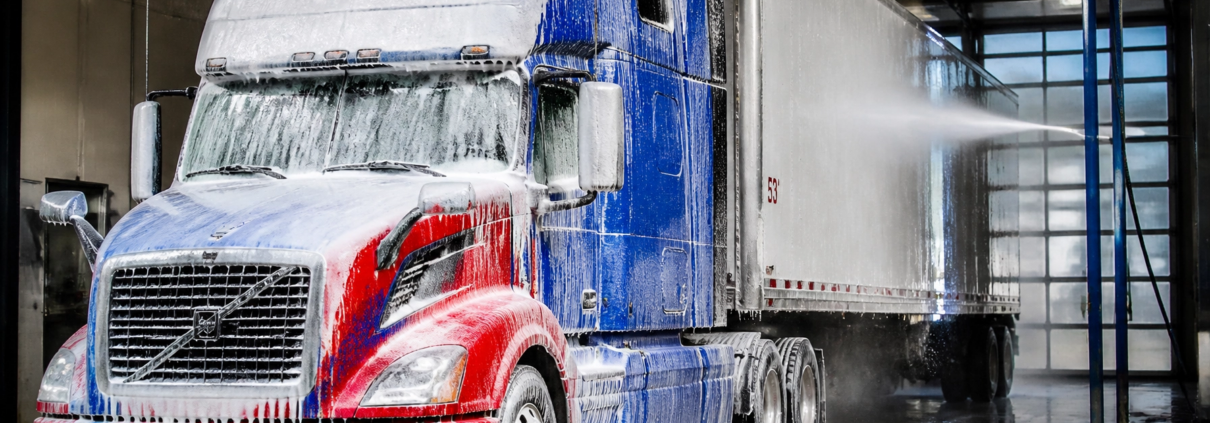
Two-step chemical foam application on white commercial trailers

The resulting exothermic reaction and pH shift create a chemical "lifting" action. The road film is physically separated from the paint, suspended in the foam, and prepared for removal. This technique is extensively covered in the ultimate guide to professional fleet washing, which emphasizes the importance of chemical synergy over physical scrubbing. The use of specialized equipment, such as dual-line injectors, ensures that the correct dilution ratios are maintained for maximum efficiency.

Step 4: High-Pressure Rinsing and Surface Agitation

Following the dwell period of the two-step system, the vehicle is subjected to a high-pressure rinse. Unlike the pre-rinse, this stage must be executed with precision. The operator should maintain a consistent distance between the nozzle and the surface, typically 12 to 18 inches, to utilize the kinetic energy of the water effectively.

The rinsing process is initiated from the bottom of the vehicle and proceeds upward. This ensures that the chemicals are rinsed away while still active, preventing the redeposition of suspended solids onto lower panels. Once the entire surface has been treated, a final top-down rinse is performed to flush all residual chemicals and foam into the drainage system. For fleets with extreme road film accumulation, soft-bristled brushes may be utilized in a "controlled contact" manner on vertical surfaces to assist in the removal of any remaining stubborn particulates. However, with the appropriate chemical concentrations from Pro Chemical Products, the need for manual agitation is significantly minimized.

Step 5: Post-Wash Finishing and Component Protection

The final stage of the cleaning protocol involves the removal of water spots and the application of protective coatings. Drying is facilitated by compressed air or high-absorbency microfiber materials to ensure a streak-free finish. For fleet owners seeking to maintain the longevity of their assets, the application of a tire dressing is an essential finishing touch.

A clean, polished fleet truck with a high-gloss finish

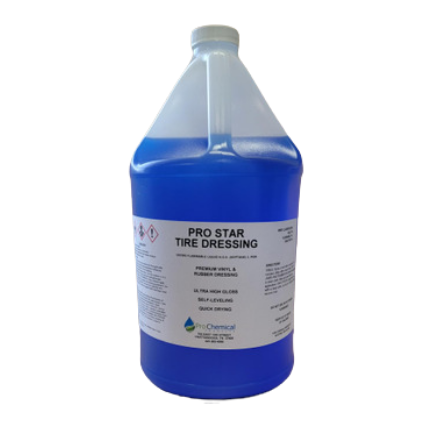
Pro Star Tire Dressing is utilized at this stage. As a solvent-based premium dressing, it provides a fast-drying, high-gloss finish that is resistant to water wash-off. The application of Pro Star not only enhances the aesthetic appeal of the vehicle but also provides a barrier against ozone degradation and UV radiation, which are primary causes of tire sidewall cracking. Understanding the distinction between solvent-based and water-based tire dressings assists managers in selecting the appropriate level of durability for their specific operating environment.

Conclusion: Maximizing Operational Efficiency

The implementation of a structured 5-step cleaning protocol allows fleet owners to achieve a superior level of cleanliness while optimizing labor and chemical costs. By transitioning from manual scrubbing to a chemically-driven process, the time required per vehicle is reduced by approximately 30-50%.

Pro Chemical Products, a family-owned business since 1971, provides the professional-grade formulations necessary to execute these steps effectively. From the high-alkaline power of CA Orange to the protective finish of Pro Star Tire Dressing, each product is engineered for industrial-strength performance. For further inquiries regarding custom chemical solutions or to explore the full range of pressure washing chemicals, contact a technical representative today.

Inventory of Pro Chemical Products industrial drums in a warehouse


The accumulation of road film on commercial vehicle fleets represents a significant challenge for maintenance professionals. This tenacious layer of contaminants: comprised of diesel soot, exhaust carbon, metallic particulates, mineral deposits, and road tar: adheres to vehicle surfaces through a complex electrostatic bond. Conventional detergent applications often fail to disrupt this bond, necessitating intensive manual scrubbing that increases labor costs and risks surface abrasion.

To optimize efficiency and preserve the integrity of vehicle finishes, specialized chemical interventions are required. Pro-Chemical Products offers a suite of industrial-grade formulations engineered to facilitate the touchless or near-touchless removal of traffic film. The following technical "hacks" describe the strategic utilization of these products to streamline fleet maintenance operations.

1. Implementation of the Two-Step Chemical Neutralization Process

The most effective methodology for the removal of road film without mechanical agitation is the two-step wash system. This process leverages pH-shifting chemistry to neutralize the electrostatic charges that secure contaminants to the substrate.

Initially, a low-pH acidic presoak, such as Heavy-Duty Aluminum Brightener, is utilized. This formulation, containing hydrofluoric and sulfuric acids, is designed to attack inorganic deposits, oxidation, and mineral salts. It specifically targets the negatively charged components of the road film.

Immediately following the acidic application: and prior to the drying of the surface: a high-pH alkaline detergent is applied. CTW-100 (Extra Heavy Duty Truck and Trailer Wash) is a premier candidate for this second stage. This high-alkaline concentrate emulsifies positively charged contaminants, including oils, greases, and carbon-based soot. The reaction between the acid and the base facilitates the release of the film from the paint or metal surface.

Application Protocol:

  • Step 1: Apply the acidic presoak from the bottom up at the recommended dilution (up to 60:1).
  • Step 2: Apply CTW-100 directly over the wet acidic layer.
  • Rinse: Utilize high-pressure water (1200–2500 psi) to remove the neutralized film.

Close-up of a semi-truck's polished aluminum wheel being treated with an acidic brightener. The chemical reaction is visible as a light froth, and the metal beneath is becoming visibly brighter as oxidation is removed.

2. Pre-Treatment of Heavy Carbon and Grease with CA Orange

Certain zones of a fleet vehicle, specifically the rear doors of trailers, fuel tank perimeters, and chassis components, often exhibit higher concentrations of organic grease and diesel exhaust residues. These areas may resist standard two-step procedures if not properly addressed.

CA Orange Degreaser is a non-butyl, alkaline super-strength degreaser that is exceptionally effective for these targeted applications. Its formulation is engineered to penetrate dense layers of organic matter. By utilizing CA Orange as a localized pre-treatment, the necessity for physical scrubbing is significantly reduced.

The product is applied to the soiled areas and permitted a dwell time of three to five minutes. During this period, the alkaline agents dismantle the lipid and carbon structures. Once the pre-treatment is completed, the standard fleet wash sequence is initiated, resulting in a uniform, film-free finish across the entire vehicle body.

3. Enhancement of Chemical Dwell Time Using Surfactant 141

A primary cause of failure in road film removal is the premature drying or runoff of chemical agents on vertical surfaces. When chemicals do not remain in contact with the film for a sufficient duration, the electrostatic bond remains intact.

To mitigate this, Surfactant 141 is integrated into the detergent mix. Although frequently associated with soft washing and bleach-based cleaning, Surfactant 141 is a versatile foaming agent that remarkably increases the viscosity and "cling" of fleet soaps.

By adding Surfactant 141 to a solution of CTW-100, a thick, stable foam is produced. This foam suspends the active cleaning agents against the vertical sides of trailers and cabs, allowing the chemistry to work more effectively against the road film. The increased dwell time ensures that even the most stubborn layers are fully emulsified before the final rinse phase.

Industrial pressure washing equipment applying a thick, stable foam to the side of a white box truck. The foam is clinging to the surface, demonstrating the improved dwell time achieved through specialized surfactants.

4. Integration of Shield & Shine for Preventative Surface Conditioning

Efficiency in fleet maintenance is not solely defined by the removal of existing film but also by the prevention of future accumulation. Applying a sacrificial protective layer to the vehicle's exterior significantly alters the surface energy, making it more difficult for contaminants to bond.

Shield & Shine is an advanced all-surface protectant that utilizes a proprietary blend of carnauba wax and silicone polymers. When applied during the final rinse stage, it creates a hydrophobic barrier. This barrier facilitates water beading and lowers the water roll-off angle, which assists in shedding road grime during transit.

Furthermore, Shield & Shine contains UV inhibitors that protect paint and decals from solar degradation. The result is a fleet that remains cleaner for longer intervals and requires less aggressive chemical intervention during subsequent maintenance cycles.

5. Professional Finishing with Pro Star Tire Dressing

The visual presentation of a fleet is often judged by the condition of the tires and rubber components. Even a perfectly cleaned trailer can appear inadequately maintained if the tires are dull or brown from oxidation.

The final "hack" involves the application of Pro Star Tire Dressing. This solvent-based premium dressing is formulated for rapid drying and high-gloss retention. Unlike water-based alternatives that may wash away during inclement weather, Pro Star is water-resistant and durable.

The application of Pro Star Tire Dressing provides a professional, deep-black finish that complements the clean vehicle body. It also serves a functional purpose by conditioning the rubber and providing a barrier against ozone and environmental pollutants that cause cracking and dry rot.

Safety Note: Pro Star Tire Dressing is a solvent-based, flammable product and must be handled with appropriate care by professional detailing personnel.

A large, clean truck tire with a deep black, glossy finish. The surrounding rim is polished and free of brake dust, representing the final stage of a professional fleet detailing process.

Technical Summary of Fleet Maintenance Optimization

The transition from labor-intensive scrubbing to a chemistry-driven approach is essential for modern fleet operations. By leveraging the specific properties of Pro-Chemical Products, such as the pH-balancing power of CTW-100 and the surface-sealing capabilities of Shield & Shine, facilities can achieve superior results in a fraction of the time.

For organizations requiring customized solutions, Pro-Chemical Products offers custom formulation services to address unique environmental conditions, specific soil types, or sensitive substrates. Professional-grade results are the byproduct of precision in chemical selection and consistency in application technique.

For procurement inquiries or technical support regarding fleet washing solutions, contact Pro-Chemical Products to consult with an industry expert.


The selection of an industrial degreaser is a critical determination for maintenance professionals, facility managers, and industrial operators. This decision impacts not only the cleanliness and operational efficiency of machinery but also worker safety, environmental compliance, and the longevity of surfaces. Industrial degreasers are specialized chemical formulations engineered to remove insoluble substances: such as grease, oils, lubricants, and corrosive contaminants: from various substrates.

Due to the diversity of industrial soils and surfaces, a singular "universal" cleaner does not exist. Instead, formulations are categorized by their chemical composition, pH levels, and primary solvent systems. This guide provides a technical comparison of the leading categories of industrial degreasers to facilitate an informed procurement process.

Categorization by Chemical Base: Solvent-Based vs. Aqueous

The most fundamental distinction in degreasing technology is the division between solvent-based and aqueous (water-based) systems.

Solvent-Based Degreasers

Solvent-based degreasers utilize organic compounds to dissolve oils and greases. These products are primarily composed of hydrocarbons, such as mineral spirits, or chlorinated solvents like trichloroethylene (TCE).

  • Mechanism of Action: They function through the principle of "like dissolves like," where the non-polar solvent molecules surround and break down the non-polar oil molecules.
  • Optimal Applications: Heavy-duty carbon removal, adhesives, and moisture-sensitive electronics where water exposure is contraindicated.
  • Limitations: According to Techspray, solvent cleaners often carry higher Volatile Organic Compound (VOC) levels and present greater flammability risks.

Aqueous (Water-Based) Degreasers

Aqueous degreasers utilize water as the primary carrier, incorporating surfactants, builders, and emulsifiers to lift and suspend soils.

  • Mechanism of Action: Surfactants reduce the surface tension of the water, allowing it to penetrate oily films. The soil is then emulsified or displaced from the surface and suspended in the solution.
  • Optimal Applications: Multi-soil environments containing both organic oils and inorganic particulates (salts, dust, oxides).
  • Advantages: These solutions are generally non-flammable and offer a more favorable safety profile for workers. As noted by Zerust, modern aqueous cleaners are increasingly favored for their sustainability and ease of wastewater treatment.

Close-up of industrial grease being emulsified by a cleaning solution

Understanding the Distinction: Butyl vs. Non-Butyl Formulations

Within the aqueous category, a significant distinction exists between "butyl" and "non-butyl" degreasers. This refers to the presence or absence of ethylene glycol monobutyl ether (also known as 2-butoxyethanol or "butyl cellosolve").

Butyl Degreasers

Butyl-based products have historically been the industry standard for rapid grease penetration. The glycol ether component acts as a bridge between oil and water, providing aggressive cleaning action. However, due to its high VOC content and potential health implications regarding skin absorption and inhalation, many modern facilities are transitioning away from these traditional formulas.

Non-Butyl Degreasers

Non-butyl formulations replace glycol ethers with advanced surfactant packages and alternative solvents. These products are engineered to provide high-performance cleaning without the associated regulatory and health burdens of butyl.

Pro-Chemical Products offers a premier example of this technology in CA Orange. As an alkaline, non-butyl super-strength degreaser, it is utilized in environments where high-potency cleaning is required without the drawbacks of butyl-based chemistries. It is particularly effective for heavy-duty industrial applications, including pressure washing and machinery maintenance.

Industrial machinery being cleaned with a fine mist of degreasing spray

The Role of pH: Alkaline vs. Acidic vs. Neutral

The pH level of a degreaser dictates its compatibility with both the soil and the substrate.

  1. Alkaline Degreasers (pH 8–14): Most industrial degreasers, such as those found in the Pro-Chemical Products catalog, fall into this category. Alkalinity is essential for saponification: the process of turning fats and oils into soap, making them water-soluble. High-alkaline products like CA Orange are ideal for heavy grease and baked-on carbon.
  2. Acidic Cleaners (pH 0–6): While not typically used for "degreasing" in the traditional sense, acid cleaners are utilized for removing inorganic scales, rust, and mineral deposits.
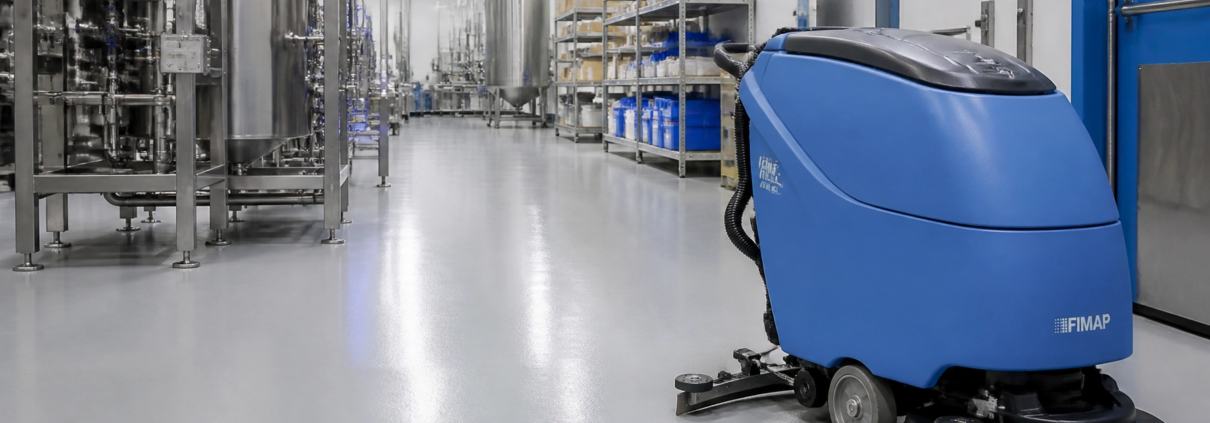
  3. Neutral Cleaners (pH 6–8): These are utilized for light cleaning on sensitive surfaces where the integrity of a finish must be maintained. For instance, Meta Mop is utilized for maintaining finished floors without stripping the protective coating.

Selection Criteria for Industrial Applications

To select the appropriate degreaser, the following variables must be analyzed:

Variable Requirement Recommendation
Soil Type Heavy Grease / Tar High Alkaline Aqueous or Solvent-based
Substrate Aluminum / Soft Metals pH-Neutral or Inhibited Alkaline
Method Pressure Washing High-foaming surfactants (e.g., Surfactant 141)
Safety Indoor / Confined Space Non-butyl, Low-VOC Aqueous
Compliance Food Service Food-grade safe formulations

The utilization of a concentrated product allows for variable dilution ratios, which assists in managing costs across different cleaning tasks. For example, a super-strength degreaser may be used at full strength for an engine block but diluted 20:1 for general shop floor maintenance.

Professional industrial chemical containers arranged in a warehouse

Safety and Environmental Considerations

The implementation of industrial chemicals necessitates strict adherence to safety protocols. It is imperative that Safety Data Sheets (SDS) are readily accessible to all personnel.

  • Personal Protective Equipment (PPE): The use of chemical-resistant gloves, eye protection, and aprons is required when handling concentrated alkaline solutions.
  • Disposal: Spent degreasing solutions may contain hazardous heavy metals or emulsified oils that require specialized disposal.
  • Storage: Chemicals should be stored in a cool, dry area away from incompatible substances (e.g., storing acids away from alkalines).

Pro-Chemical Products, a family-owned business established in 1971, prioritizes the formulation of products that balance industrial strength with user safety. By focusing on non-butyl alternatives and biodegradable surfactants, the company assists businesses in maintaining high cleaning standards while meeting environmental objectives.

Safety equipment including gloves and goggles for chemical handling

Conclusion

Choosing the best industrial degreaser requires a technical evaluation of the specific contaminants and the surfaces involved. While solvent-based products remain necessary for certain niche applications, modern aqueous solutions: specifically non-butyl, high-alkaline formulations like CA Orange: provide a safer and highly effective alternative for the majority of industrial needs.

For professional-grade formulations tailored to fleet washing, auto detailing, or heavy-duty industrial maintenance, further information can be obtained via the Pro-Chemical Products contact page.

Operational Efficiency and Safety

The implementation of professional-grade chemicals also necessitates a focus on the safety of the personnel performing the maintenance.

Hand Hygiene in Industrial Environments

The handling of industrial chemicals, even with proper PPE, requires specialized skin cleansers. Standard soaps are often insufficient for removing heavy grease or may contain harsh abrasives that damage the skin. Unique is an extremely mild body shampoo and skin cleanser offered by Pro Chemical Products. It provides rich sudsing and effective cleaning while remaining gentle on the skin, which is essential for technicians who perform frequent washes.

Environmental Considerations and Effluent Management

Modern fleet washing must adhere to strict environmental regulations regarding runoff. One of the primary advantages of a correctly executed 2-step system is that the acidic and alkaline components partially neutralize each other during the rinse phase. This often results in effluent that is closer to a neutral pH of 7.0, facilitating easier compliance with local wastewater discharge permits.

Application Techniques for Optimized Results

To achieve maximum efficiency with Pro Chemical Products, the following technical protocol is recommended:

  1. Dilution Precision: Chemicals should be metered using precision injectors. Over-concentration leads to chemical waste and potential surface damage, while under-concentration results in poor cleaning performance.
  2. Dwell Time Optimization: For both 1-step and 2-step processes, the chemicals must be allowed sufficient dwell time (typically 30–60 seconds) to react with the soil. However, the surface must not be allowed to dry, as this can lead to permanent streaking.
  3. Bottom-to-Top Application: Detergents should be applied from the bottom of the vehicle upward to prevent "cleansing streaks" where concentrated product runs down through the soil.
  4. Top-to-Bottom Rinsing: Conversely, high-pressure rinsing should commence at the top of the vehicle to ensure all dislodged soils are flushed downward and off the surface.

Summary of Fleet Wash Chemical Performance

Feature 1-Step Alkaline 2-Step (Acid/Alkaline)
Primary Soil Target Organic (Oils/Grease) Inorganic & Organic
Traffic Film Removal Moderate (may require brushing) High (Touchless)
Labor Requirement High (due to agitation) Low (speed-optimized)
Equipment Complexity Low Moderate (dual lines)
Effluent pH Highly Alkaline Near Neutral (when balanced)

Conclusion: Establishing a Voice of Authority in Fleet Maintenance

The selection of fleet wash chemicals is a technical decision that impacts both the operational costs and the brand image of a company. By utilizing advanced formulations from a family-owned manufacturer with over 50 years of expertise, such as Pro Chemical Products, businesses can ensure they are achieving the highest possible efficiency.

Whether the requirement is for a high-strength degreaser like CA Orange, a specialized surfactant like Surfactant 141, or a premium finishing product like Pro Star Tire Dressing, the integration of professional-grade chemistry is essential. For organizations seeking to optimize their cleaning protocols, consultation with technical experts is recommended to tailor chemical solutions to specific fleet needs and environmental conditions.

For further information regarding professional-grade cleaning solutions, contact Pro Chemical Products directly or explore the ultimate guide to professional fleet washing.

Maintaining a commercial fleet requires more than a standard pressure washer and generic soap. Efficiency in fleet maintenance is determined by the synergy between equipment, technique, and chemical formulation. When these elements are misaligned, the result is often increased labor costs, potential surface damage, and a finished product that fails to represent a professional brand image.

Below are seven common mistakes identified in commercial fleet wash operations and the specific methodologies and products utilized to rectify them.

1. Utilization of Incorrect Chemical Dilution Ratios

A frequent error in fleet maintenance is the improper calibration of chemical injectors or the manual mixing of detergents. Over-concentration leads to chemical waste and can leave a stubborn film on the vehicle surface, while under-concentration fails to effectively break down road film and organic deposits.

Pro-Chemical Products addresses this through high-concentration formulations like CTW-100. This extra heavy-duty truck and trailer wash is engineered for high-dilution applications, facilitating the removal of brake dust, exhaust, and bug deposits without the need for excessive product volume. Precise dilution ensures that the chemical potential is maximized while operational costs are minimized.

2. Inadequate Dwell Time and Surface Drying

The effectiveness of an alkaline or acidic cleaner is dependent on dwell time: the period the chemical remains active on the surface before rinsing. A common mistake is allowing the detergent to dry, which can lead to permanent streaking or chemical burns, especially on sensitive surfaces like polished aluminum.

To mitigate this, professional-grade surfactants are integrated into products like CTW-100 to ensure the solution stays "wet" longer. Furthermore, for soft wash applications, Surfactant 141 is utilized to assist bleach and other cleaning agents in adhering to vertical surfaces, extending the active window without the risks associated with rapid evaporation.

A 55-gallon industrial drum of CTW-100 cleaner positioned next to a professional pressure washing system in a clean, industrial garage. The lighting is bright and professional.

3. Applying Improper Chemicals to Polished Aluminum

Using aggressive caustics or strong acids on polished aluminum is a detrimental error. While these chemicals may clean the surface, they often cause "whitening" or "etching," stripping the luster from high-end wheels and tanks.

The solution involves using a balanced approach. For non-polished aluminum where oxidation removal is required, Heavy-Duty Aluminum Brightener (containing HF and sulfuric acids) is diluted up to 60:1 for controlled cleaning. For polished surfaces, the use of a milder, alkaline-based degreaser like CA Orange: which is a non-butyl, super-strength industrial degreaser: is recommended to remove grease and grime without compromising the metal’s finish.

4. Neglecting the Finish on Wheels and Tires

A clean truck with "brown" or dull tires appears incomplete. Many operators fail to use a dedicated tire cleaner, relying instead on the general body wash to clean rubber components. This results in the accumulation of "blooming" (brown antioxidants) on the tire sidewalls.

The implementation of Foaming Whitewall & Wheel Cleaner (diluted 10:1) facilitates the removal of these contaminants. Following the cleaning phase, the application of Pro Star Tire Dressing: a solvent-based, premium dressing: provides a fast-drying, high-gloss finish that is water-resistant. This technical step ensures the fleet maintains a "showroom" appearance even in harsh weather conditions.

Close-up of a large semi-truck tire with a deep black, high-gloss finish. The wheel is polished and reflective. The background is a clean industrial setting.

5. Ignoring the Impact of Hard Water and Spotting

Water quality is a significant variable in fleet washing. High mineral content (hard water) often results in spotting and a dull finish once the vehicle dries. This is particularly noticeable on dark paint and chrome.

Shield & Shine is utilized to counteract these effects. This all-surface protectant contains a proprietary blend of carnauba wax and silicone polymers. When applied as a rinse aid, it promotes water beading and lowers the water roll-off angle, allowing minerals to be carried away rather than drying on the surface. The inclusion of UV inhibitors further protects the substrate from solar degradation.

6. Over-Reliance on High Pressure for All Surfaces

Excessive pressure (PSI) can damage decals, strip paint, and force water into sensitive electrical components. A common misconception is that more pressure equates to a cleaner vehicle. In reality, chemical action should perform the majority of the work.

By utilizing high-performance degreasers like CA Orange or MF Degreaser, the reliance on high PSI is reduced. These alkaline detergents emulsify grease and road film on contact, allowing for a lower-pressure rinse that preserves the integrity of the vehicle’s graphics and mechanical parts.

A professional technician in safety gear, including gloves and protective eyewear, operating a pressure washer wand to clean a commercial vehicle. The focus is on the technique and equipment.

7. Failure to Implement a Protective Final Layer

Washing a fleet without applying a protectant is an operational oversight. Unprotected surfaces attract dirt and road film more rapidly, making subsequent washes more difficult and time-consuming.

The final stage of a professional fleet wash should involve a sealant. Renew Ceramic Wax is a hybrid ceramic formulation designed for hand spray and wipe applications, providing a durable barrier against the elements. Alternatively, for large-scale operations, Shield & Shine serves as an efficient "spray-on, rinse-off" protectant that facilitates long-lasting shine and easier maintenance cycles.

Summary of Professional Recommendations

To achieve optimal results, a systematic approach is required:

  • Identify the Surface: Differentiate between painted metal, polished aluminum, and rubber.
  • Select the Chemistry: Use CTW-100 for general film, CA Orange for heavy grease, and Pro Star for tires.
  • Control the Environment: Ensure chemicals do not dry on the surface.
  • Protect the Asset: Utilize Shield & Shine or Renew Ceramic Wax to seal the finish.

Pro-Chemical Products has been manufacturing industrial-grade solutions since 1971. For technical assistance in optimizing a fleet wash setup or to inquire about custom formulations, contact Pro-Chemical Products to consult with an industry professional.

Water beading perfectly on a shiny, deep red truck hood. The reflections are sharp, and the background shows a clean, professional fleet yard.

The removal of road film, frequently referred to in the industry as traffic film, represents one of the most significant challenges in professional fleet washing. Unlike standard particulate soil, road film is a complex, chemically bonded layer of exhaust emissions, oxidized oils, industrial fallout, and microscopic road debris. When a fleet wash fails to penetrate this layer, the result is a dull, gray appearance that persists even after the vehicle has been rinsed. This phenomenon is often misinterpreted as a lack of pressure or water temperature, when the root cause typically resides in the chemical and mechanical parameters of the wash process.

Maintaining a clean fleet is not merely an aesthetic requirement but a functional necessity for preserving the integrity of vehicle finishes and ensuring regulatory compliance. The following technical analysis delineates the ten primary reasons why fleet washes fail to remove road film and provides professional solutions to optimize cleaning efficiency.

1. Insufficient Understanding of Road Film Composition

Road film is not merely "dirt." It is an electrostatically bonded layer that adheres to the vehicle substrate. The composition typically includes carbon black from tire wear, unburned hydrocarbons from diesel exhaust, and various environmental minerals. These components are held together by an oily binder that creates a hydrophobic barrier. If the cleaning agent utilized is not specifically formulated to break these electrostatic bonds and emulsify the oily binders, the film will remain undisturbed.

Pro-Chemical Products emphasizes the necessity of utilizing specialized formulations that target these specific chemical bonds. Without a surfactant package capable of reducing surface tension to a degree that allows for the penetration of this oily barrier, the cleaning process will remain superficial.

2. Absence of a 2-Step pH Contrast System

In the realm of pressure washing, reliance on a single alkaline detergent is a frequent point of failure for touchless systems. Road film often contains both organic and inorganic components that respond differently to pH levels.

A technical 2-step process involves:

  • Step 1: The application of a low-pH (acidic) presoak. This step is designed to neutralize the static charge and break down mineral-based soils and metallic oxides.
  • Step 2: The application of a high-pH (alkaline) detergent. This step emulsifies the oils, greases, and organic contaminants that have been loosened by the acidic step.

When these two steps are utilized in succession, a chemical reaction occurs on the surface of the vehicle, facilitating the release of the bonded film. For more information on acidic components, the acid cleaners section provides further insight into these formulations.

Close-up of bonded road film on a commercial vehicle surface

3. Inadequate Dwell Time

Dwell time is the duration during which the chemical solution remains in active contact with the surface before being rinsed. If the solution is rinsed too quickly, the surfactants and builders do not have sufficient time to penetrate the layers of road film. Conversely, if the chemical is allowed to dry, the suspended soils are redeposited and can become even more difficult to remove.

The chemical reaction required to break the bond of traffic film is not instantaneous. It is generally recommended that a dwell time of 2 to 5 minutes be maintained, depending on atmospheric conditions. Proper dwell time ensures that the chemistry can perform the work, thereby reducing the reliance on aggressive mechanical agitation.

4. Suboptimal Water Temperature

While high-pressure water is a staple of the industry, the temperature of the water significantly impacts the efficacy of the chemical agents. Water that is too cold may fail to adequately activate certain surfactants or assist in the emulsification of heavy oils. However, excessively high temperatures: exceeding 140°F: can cause the cleaning solution to evaporate prematurely, leading to the aforementioned issues with drying on the surface.

The optimal temperature range for most fleet washing applications is recognized to be between 100°F and 120°F. This range facilitates the thermal breakdown of grease without compromising the stability of the detergent's chemical structure.

5. Interference from Hard Water and High TDS

The quality of the water utilized in a fleet wash system is often overlooked. Hard water contains high concentrations of calcium and magnesium ions, which can react with the surfactants in the detergent. This reaction forms "soap scum" and significantly reduces the cleaning power available to address the road film.

Furthermore, water with high Total Dissolved Solids (TDS) can leave a mineral film behind as it dries, which can be mistaken for unresolved road film. Utilizing water softening systems or Reverse Osmosis (RO) units can assist in ensuring that the chemistry is utilized at its maximum potential.

Industrial chemical storage and professional formulations

6. Incorrect Dilution Ratios

More is not always better in chemical applications. Exceeding the manufacturer's recommended dilution ratio can lead to wasted product, increased costs, and potential damage to vehicle surfaces or decals. Conversely, under-dilution results in a solution that lacks the concentration of active ingredients necessary to penetrate the road film.

Pro-Chemical Products recommends the use of titration kits to verify the concentration of the solution at the nozzle. Factors such as downstream injector wear, pump fluctuations, and fluctuating water pressure can all lead to inconsistent dilution ratios that compromise cleaning results.

7. Weak Impingement and Application Technique

Impingement refers to the physical force with which the water and chemical solution strike the vehicle surface. In a touchless wash environment, impingement replaces mechanical brushing. If the nozzle distance is too great, or if the spray pattern is too wide, the physical force is dissipated.

Proper application involves:

  • Uniform Coverage: Ensuring no areas are bypassed during the chemical application phase.
  • Strategic Rinsing: Rinsing from the bottom up during the soap phase to prevent "streaking," and rinsing from the top down during the final rinse phase to ensure all suspended soils are removed.
  • Correct Nozzle Selection: Utilizing nozzles that provide the appropriate fan angle and PSI to facilitate soil displacement.

8. Environmental and Atmospheric Interference

Atmospheric conditions such as direct sunlight, high wind, and ambient temperature can drastically alter the performance of fleet wash chemicals. Direct sunlight heats the vehicle substrate, causing the cleaning solution to dry almost immediately upon contact. Wind can also accelerate evaporation and disrupt the spray pattern, leading to uneven chemical distribution.

When possible, washing should be performed in a shaded or enclosed area. If outdoor washing is necessary, the substrate should be pre-cooled with water, and the vehicle should be washed in smaller sections to maintain control over dwell times.

High-pressure rinsing of a fleet vehicle

9. Infrequent Maintenance Schedules

Road film is cumulative. When a vehicle is not washed on a regular schedule, the layers of film become thicker and more tightly bonded through successive heating and cooling cycles. This "baked-on" film becomes increasingly resistant to standard touchless cleaning methods.

A consistent washing schedule prevents the accumulation of heavy deposits and ensures that the road film remains manageable. For fleets operating in high-salt or industrial environments, more frequent intervals are mandatory to prevent the film from facilitating corrosion beneath the surface layer.

10. Lack of Surfactant Quality and "Cling"

The ability of a chemical to "cling" to a vertical surface is determined by its surfactant package. Standard soaps may run off the surface too quickly, taking the active cleaning agents with them before they can work on the road film. Professional-grade surfactants, such as those found in the Pro-Chemical Products lineup, are engineered to provide a controlled foam that clings to the surface, extending the contact time and improving penetration.

Effective surfactants facilitate the emulsification process, allowing the oily binders of the road film to be suspended in the water and rinsed away completely. Without high-quality surfactants, the mechanical action of the water is often insufficient to overcome the chemical bond of the film.

Chemical foam dwelling on a vertical trailer surface

Technical Recommendations for Optimization

To address persistent road film, a systematic evaluation of the wash process is required. The following steps are recommended:

  1. Analyze the Water Supply: Conduct a TDS and hardness test to determine if water treatment is necessary.
  2. Evaluate the Chemistry: Transition to a dedicated 2-step system if touchless results are currently inadequate.
  3. Audit the Equipment: Verify that the pressure, temperature, and dilution systems are functioning according to the manufacturer's specifications.
  4. Calibrate Dilution: Use titration to ensure the correct chemical concentration is being delivered to the substrate.
  5. Adjust Dwell Times: Monitor the surface to ensure the product remains wet for the duration of its active phase.

By adhering to these technical principles and utilizing professional-grade formulations from Pro-Chemical Products, fleet operators can achieve superior cleaning results, reduce labor costs, and extend the lifespan of their equipment. For further assistance with chemical selection or process optimization, contact the technical support team at Pro-Chemical Products.

The efficacy of professional exterior cleaning is frequently misattributed solely to high-pressure water delivery. However, the true distinction between amateur efforts and professional-grade results lies in the sophisticated application of chemical science. Pressure washing, when performed correctly, is a chemical-driven process where water serves primarily as the delivery and rinsing mechanism. Understanding the interaction between specialized cleaning agents and various contaminants is the fundamental first step for any industrial or commercial cleaning operation.

The following guide delineates the essential protocols for selecting and utilizing pressure washing chemicals to ensure optimal results, surface integrity, and operational efficiency.

1. Surface and Contaminant Diagnostics: The Essential First Step

Before the activation of any equipment, a comprehensive diagnostic assessment of the target surface and the nature of the contamination must be performed. This objective evaluation dictates the entire chemical strategy and prevents irreversible damage to sensitive substrates.

Identification of Contaminants

Contaminants are categorized into two primary groups: organic and non-organic.

  1. Organic Contamination: This includes mold, mildew, algae, moss, and lichen. These organisms utilize moisture and porous surfaces for growth. The removal of these biological entities requires sanitizing agents that neutralize the organic matter at a cellular level.
  2. Non-Organic Contamination: This category encompasses inorganic substances such as mineral deposits, rust, efflorescence, tire marks, oil, and grease. These stains do not respond to biological sanitizers and instead require specialized cleaners and degreasers or acidic solutions.

Substrate Sensitivity

The material being cleaned: whether vinyl, wood, concrete, stucco, or metal: possesses specific tolerances for pH levels and mechanical pressure. For instance, high-pressure water utilized on delicate siding can cause water intrusion behind the substrate, leading to structural rot. Conversely, the application of high-pH degreasers on polished aluminum without proper dilution can lead to permanent etching.

Close-up of dense chemical foam adhering to a vertical brick surface

2. Soft Wash Technology and the Role of Surfactants

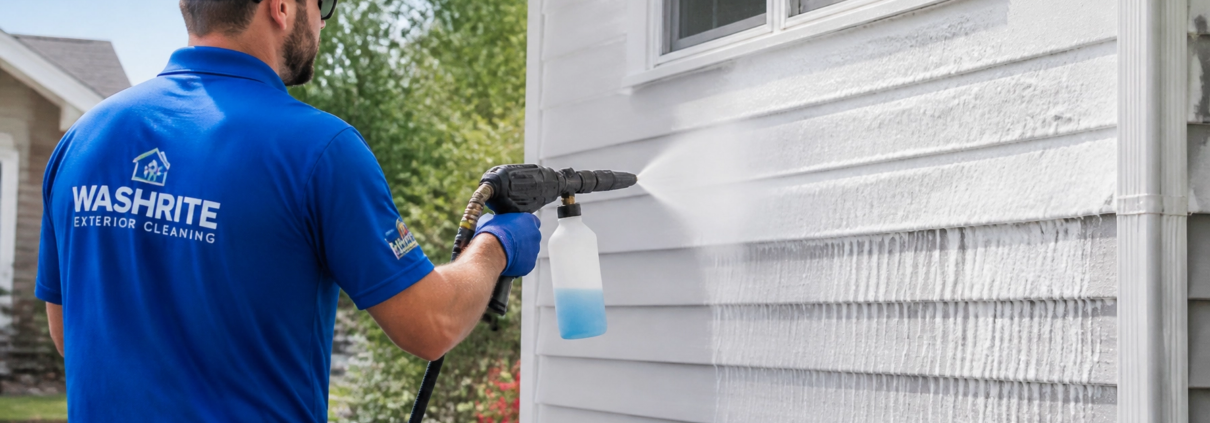
The industry has largely transitioned toward "Soft Washing" for residential and commercial building envelopes. This methodology prioritizes chemical dwell time over mechanical force, utilizing a combination of Sodium Hypochlorite (SH) and specialized surfactants.

The Power of Sodium Hypochlorite

Sodium Hypochlorite is the industry standard for the eradication of organic growth. When utilized in professional concentrations, typically ranging from 1% to 6% depending on the surface requirements, it effectively breaks down biological cell walls. Pro Chemical Products provides commercial-strength Sodium Hypochlorite bleach suitable for these applications.

The Functionality of Surfactant 141

A common technical error in chemical application is the omission of a surfactant. A surfactant, such as Surfactant 141, reduces the surface tension of the water-chemical solution. This reduction assists the solution in adhering to vertical surfaces for extended periods, a phenomenon known as "dwell time."

Without a high-foaming surfactant, the chemical solution experiences rapid runoff, necessitating multiple applications and increasing chemical waste. Surfactant 141 is specifically formulated to assist bleach in staying on surfaces longer while providing excellent foaming characteristics, which also serves as a visual indicator of coverage for the operator.

3. Fleet Maintenance and Auto Detailing Standards

Commercial fleet washing requires a different chemical profile than architectural cleaning. The objective is the removal of "traffic film": a complex layer of exhaust particulates, road salts, and oils that electrostatic forces bond to the vehicle's paint.

Professional Fleet Washing Protocols

To maintain the aesthetic and structural integrity of commercial vehicles, specialized fleet washing products are utilized. These formulations are designed to break the electrostatic bond of road film without compromising the clear coat or paint finish.

Finishing with Pro Star Tire Dressing

The final phase of a professional fleet or detailing service involves the application of restorative agents. Pro Star Tire Dressing is a solvent-based premium dressing engineered for rapid drying and high-gloss performance. This product assists in protecting rubber components from UV degradation while providing the aesthetic finish expected by professional clients.

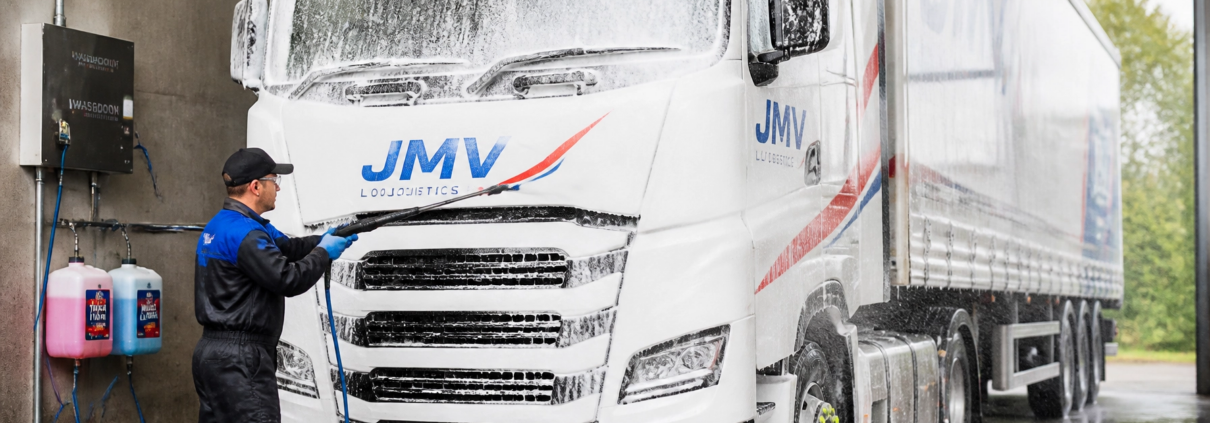
Commercial semi-truck being cleaned in a professional fleet washing bay

4. Industrial Degreasing and Heavy-Duty Applications

For environments such as automotive workshops, industrial manufacturing floors, and commercial kitchens, standard surfactants are insufficient. These areas require heavy-duty alkaline degreasers to emulsify petroleum-based oils and carbonized grease.

CA Orange: The Industrial Solution

CA Orange is an alkaline, non-butyl super-strength degreaser utilized for the most challenging industrial environments. Unlike standard household cleaners, industrial degreasers utilize chemical heat and high pH levels to break down long-chain hydrocarbon molecules.

The application of CA Orange is particularly effective for:

  • Degreasing industrial machinery and engine components.
  • Cleaning concrete bays in automotive service centers.
  • Removing heavy soot and carbon deposits from industrial vents.

When utilizing heavy-duty degreasers, thorough rinsing is mandatory to neutralize the surface and prevent the accumulation of chemical residues.

Technician applying CA Orange degreaser to a greasy industrial floor

5. Application Methodologies: Technical Implementation

The successful delivery of chemicals is dependent on the equipment configuration utilized by the professional cleaner.

Downstreaming

Downstreaming is a method where a chemical injector is placed after the pump on a pressure washer. This setup allows the operator to draw chemicals into the water stream at a fixed ratio (often around 1:10) through a low-pressure nozzle. This method is preferred for house washing as the chemicals never enter the pump, thereby preventing internal corrosion.

Soft Wash Systems

Dedicated soft wash systems utilize 12v or gas-powered diaphragm pumps to deliver chemical solutions at low pressure (under 100 PSI). This allows for higher concentrations of Sodium Hypochlorite and surfactants like Surfactant 141 to be applied with precision, particularly for roof cleaning where high pressure is strictly contraindicated.

Safety and Environmental Protection

The utilization of industrial chemicals necessitates strict adherence to safety protocols. Personal Protective Equipment (PPE), including chemical-resistant gloves and eye protection, must be utilized at all times. Furthermore, the protection of surrounding vegetation is critical. Pre-wetting plants and ensuring a final rinse of the landscaping prevents the dehydration or chemical burning of sensitive flora.

Professional chemical containers and safety gear on a concrete surface

Conclusion: Establishing a Standard of Excellence

Transitioning from basic water-based cleaning to a chemical-centric approach is the hallmark of a professional operation. By accurately diagnosing the contaminant, selecting the appropriate chemical agent: such as Surfactant 141 for organics or CA Orange for grease: and utilizing the correct application methodology, professional results are achieved with greater consistency and lower risk.

Pro Chemical Products, a family-owned business since 1971, continues to provide the technical expertise and high-performance formulations required for these commercial applications. For further technical specifications or product inquiries, contact the professional support team through the official website.


Summary of Key Chemicals Mentioned

Product Name Category Primary Utility
Surfactant 141 Foaming Agent Increases dwell time for bleach-based solutions.
CA Orange Industrial Degreaser High-strength removal of oil and grease.
Pro Star Tire Dressing Automotive Finishing Fast-drying solvent-based gloss for tires.
Sodium Hypochlorite Sanitizer Eradication of organic growth (algae, mold).
Meta Mop Floor Care Neutral cleaner for maintaining finished floors.

The maintenance of a commercial fleet is a critical operational requirement for modern logistics and industrial enterprises. Beyond the aesthetic implications of a clean vehicle, professional fleet washing serves to protect assets from corrosive road elements, ensure regulatory compliance, and uphold the professional reputation of the organization. To achieve optimal results, the utilization of industrial-grade chemical formulations and standardized application procedures is mandatory. This guide examines the technical aspects of fleet maintenance, emphasizing the systematic application of Pro-Chemical Products to maximize efficiency and surface longevity.

The Technical Necessity of Fleet Maintenance

Industrial vehicles are subjected to extreme environmental stressors, including road salts, atmospheric pollutants, hydraulic fluids, and biological contaminants. If these substances are not regularly removed, oxidation and chemical degradation of the substrate occur. The implementation of a rigorous cleaning schedule prevents the premature failure of paint systems and the structural compromise of aluminum and steel components.

Soil Composition and Chemical Mitigation

Soil found on commercial fleets is typically categorized into organic and inorganic components. Organic soils, such as oils, greases, and proteins, require alkaline detergents for effective emulsification. Conversely, inorganic soils, including mineral deposits and metallic oxides, are best addressed through acidic formulations. A comprehensive cleaning strategy must account for both soil types to ensure a residue-free finish.

Methodologies of Application: The Two-Step Cleaning Sequence

Professional fleet washing often employs a two-step touchless process, which minimizes mechanical friction and reduces the risk of surface marring. This sequence relies on the chemical reaction between an acidic pre-soak and an alkaline detergent.

  1. Step One: Acidic Application: An acidic cleaner, such as the Heavy-Duty Aluminum Brightener, is applied to the dry surface. This agent functions by breaking the static bond between the road film and the vehicle’s surface. It is particularly effective at brightening oxidized aluminum fuel tanks and wheels.
  2. Step Two: Alkaline Neutralization: Before the acidic agent is permitted to dry, an alkaline detergent, such as CTW-100, is applied directly over it. The resulting exothermic reaction assists in lifting the remaining soil. The combination of these two chemicals creates a comprehensive cleaning action that removes both mineral and organic films without the requirement for manual agitation.

The application of CTW-100 heavy-duty detergent to an industrial trailer, demonstrating the chemical reaction required for road film removal.

Essential Chemical Formulations for Fleet Integrity

The selection of specific chemical agents is dictated by the surface material and the severity of the contamination. Pro-Chemical Products manufactures a diverse array of solutions engineered for the rigors of industrial applications.

CTW-100 Heavy-Duty Truck and Trailer Wash

CTW-100 is an extra heavy-duty concentrate formulated for the rapid removal of exhaust deposits, brake dust, and road film. It is utilized in both one-step and two-step processes. Its high concentration allows for significant dilution, making it a cost-effective solution for large-scale operations.

Heavy-Duty Aluminum Brightener

For vehicles featuring polished or brushed aluminum, the utilization of a specialized brightener is essential. The Heavy-Duty Aluminum Brightener contains a blend of hydrofluoric and sulfuric acids designed to restore the luster of metallic surfaces. Due to the high concentration of these acids, rigorous adherence to safety protocols and the use of Personal Protective Equipment (PPE) is required during application.

Industrial aluminum brightener being applied to a semi-truck fuel tank, restoring the metallic surface through chemical de-oxidation.

Operational Parameters: Pressure, Volume, and Temperature

The efficacy of the cleaning process is heavily influenced by the technical specifications of the delivery equipment.

  • Water Volume (GPM): High water volume is critical for efficient rinsing. For professional fleet washing, a minimum of 4.0 to 5.5 Gallons Per Minute (GPM) is recommended. This volume ensures that chemical residues are thoroughly flushed from the surface, preventing streaks.
  • Pressure (PSI): While pressure assists in soil displacement, excessive pressure can damage decals and electrical components. A range of 2000 to 2500 PSI is generally sufficient for most fleet applications.
  • Thermal Control: The utilization of hot water (100–130°F) significantly enhances the performance of surfactants and emulsifiers. High temperatures assist in the breakdown of heavy greases and waxes, reducing the dwell time required for chemical agents.

Advanced Protection and Detailing Procedures

Once the primary cleaning cycle is complete, supplementary treatments are utilized to provide surface protection and enhance the visual presentation of the fleet.

Shield & Shine Surface Protection

To mitigate future soil adhesion, Shield & Shine is applied as a final rinse aid. This product incorporates carnauba wax and silicone polymers to create a hydrophobic barrier. This layer promotes water beading and protects the paint from UV degradation, extending the interval between required cleanings.

Pro Star Tire Dressing

The final aesthetic touch for a professional fleet involves the treatment of rubber components. Pro Star Tire Dressing is a solvent-based formulation that provides a high-gloss, water-resistant finish. Its rapid-drying properties ensure that the dressing does not "sling" onto the clean body panels when the vehicle is returned to service.

A detailed view of a commercial tire treated with Pro Star Tire Dressing, illustrating the high-gloss finish and protection of the rubber substrate.

Degreasing Operations for Chassis and Powertrains

Heavy machinery and engine compartments require specialized degreasing agents to remove thick accumulations of hydraulic fluid and carbonized grease. CA Orange is an alkaline, non-butyl super-strength degreaser utilized for these intensive applications. It is applied to the targeted areas, permitted to dwell for several minutes, and then rinsed with high-pressure hot water. This process is essential not only for cleanliness but also for the facilitation of mechanical inspections and fire prevention.

Facility Maintenance and Personnel Safety

A professional washing operation extends beyond the vehicle itself. The environment in which the washing occurs must be maintained to ensure safety and operational efficiency.

  • Floor Care: To maintain a clean wash bay and prevent slip hazards, Meta Mop is utilized. As a neutral, no-rinse cleaner, it effectively maintains finished floors without leaving a film that could compromise traction.
  • Personnel Hygiene: Given the industrial chemicals utilized in fleet washing, the availability of specialized hand cleansers is vital. Unique is a mild body shampoo and skin cleanser that removes industrial residues while maintaining skin integrity through its sudsing and moisturizing properties.
  • Sanitization: In scenarios involving food service fleets, the use of Sodium Hypochlorite (industrial bleach) is required to ensure surfaces are sanitized and free of biological contaminants.

A fleet of commercial vehicles following the application of Pro-Chemical Products, demonstrating professional-grade cleanliness and surface protection.

Conclusion

The successful execution of a professional fleet washing program is dependent upon the integration of high-performance chemical solutions, such as those provided by Pro-Chemical Products, and a disciplined adherence to technical procedures. By utilizing specialized agents like CTW-100, CA Orange, and Pro Star Tire Dressing, organizations can ensure their fleets remain protected, compliant, and visually impressive. For custom formulations or technical assistance regarding specific fleet requirements, industry professionals are encouraged to contact our technical team.

Professional Pressure Washing Chemicals and Equipment Setup

In the competitive landscape of industrial and residential cleaning, the efficacy of a pressure washing business is predominantly dictated by the chemical solutions utilized. While mechanical pressure is a critical component, the sophisticated chemistry behind the cleaning agents often determines the distinction between a standard service and a premium professional result. Relying on consumer-grade or inferior formulations can lead to increased labor costs, potential substrate damage, and subpar outcomes that diminish a company’s professional reputation.

At Pro-Chemical Products, it is observed that businesses utilizing advanced, professional-grade formulations consistently outperform those relying on generic alternatives. Below are ten technical reasons why upgrading the chemical inventory is essential for operational success, and how these improvements can be implemented within a service model.

1. Optimized Surfactancy for Enhanced Dwell Time

A common failure in pressure washing is the premature runoff of cleaning solutions, particularly on vertical surfaces. Lower-grade chemicals often lack the necessary viscosity to adhere to the target substrate. Professional surfactants, such as Surfactant 141, are engineered to significantly reduce the surface tension of water while providing substantial foaming capabilities.

This increased "cling" ensures that the active cleaning agents: typically sodium hypochlorite or specialized detergents: remain in contact with the contaminants for the required duration to achieve a complete biological kill or chemical breakdown. By utilizing high-clinging surfactants, technicians can reduce the volume of chemical applied while maximizing the efficiency of every gallon utilized.

Thick Foam Clinging to Vertical Wall

2. Chemical Stabilization and Bleach Longevity

Sodium hypochlorite is the industry standard for soft washing and organic stain removal. However, it is an inherently unstable molecule that can be quickly neutralized or rendered ineffective by improper additives. Professional-grade additives like Green Machine and Lemon Dancer are specifically formulated to be bleach-stable.

These additives assist in maintaining the potency of the bleach solution while providing secondary benefits like odor masking. This ensures that the chemical mix remains effective throughout the duration of the job, preventing the need for multiple re-applications and reducing overall material waste. According to industry standards for soft washing, maintaining chemical stability is paramount for professional-grade results.

3. Substrate-Specific Protection

Standard "all-purpose" cleaners often lack the nuanced chemistry required to protect sensitive surfaces. For instance, cleaning commercial awnings or delicate wood decks requires non-caustic formulations to prevent discoloration or structural degradation.

Pro-Chemical Products manufactures specialized solutions like Aw Naw for awning restoration and Deck Brite for cedar wood. These products are designed to emulsify specific soils: such as mold or cooking grease: without harming the underlying textile or wood fibers. Utilizing the correct chemical for the specific substrate reduces the risk of liability and ensures a higher quality of restoration.

4. Enhanced Emulsification of Industrial Soils

In industrial and commercial environments, pressure washing often involves the removal of non-polar contaminants such as heavy oils, greases, and carbon deposits. Standard detergents often fail to break the molecular bonds of these substances.

The application of a high-strength alkaline degreaser, such as CA Orange, is required for these scenarios. This non-butyl, super-strength formulation is utilized to saponify oils and emulsify greases, allowing them to be rinsed away with minimal mechanical agitation. This technical approach preserves the integrity of concrete and industrial flooring by reducing the need for excessive, high-pressure water that can cause surface etching.

Industrial Degreasing in Warehouse

5. Professional Fleet and Automotive Finishes

For businesses providing fleet washing or auto detailing services, the final visual result is the primary metric of success. Using inferior soaps often leaves behind road film, water spots, or a dull finish. Professional solutions like CTW-100 are engineered for heavy-duty truck and trailer washing, effectively removing exhaust deposits and road film.

Furthermore, the application of premium dressings like Pro Star Tire Dressing provides a distinction in the final delivery. As a solvent-based dressing, it offers fast drying times and a superior gloss that is water-resistant, outperforming water-based consumer alternatives. This level of finish is essential for maintaining high-value commercial assets and ensuring client satisfaction.

Tire Dressing Comparison

6. Corrosion Inhibition and Equipment Longevity

Professional chemicals are not only designed for the target surface but also for the preservation of the application equipment. Inferior chemicals, particularly those with high salt content or unstable pH levels, can lead to the rapid corrosion of pumps, seals, and hose fittings.

Technicians are encouraged to utilize products like Neutra Bleach as a secondary rinse. This solution is formulated with active corrosion inhibitors that neutralize corrosive bleach crystals on equipment and trailers. By integrating a professional neutralization step into the workflow, businesses can significantly extend the operational lifespan of their pressure washing units and service vehicles.

7. Safety and Environmental Compliance

Modern industrial standards require a commitment to environmental safety. Professional chemical manufacturers prioritize the development of biodegradable surfactants and detergents. Products like Green Machine are formulated with biodegradable agents to minimize the environmental footprint of the cleaning process.

Moreover, professional formulations are accompanied by comprehensive Safety Data Sheets (SDS), providing technicians with the necessary technical data to handle and apply the products safely. This level of documentation is often missing from "home-brew" or unbranded chemical mixes, creating significant safety risks for the operator and the environment.

8. Cost Efficiency Through Concentration

While the initial purchase price of professional-grade chemicals may exceed that of retail alternatives, the cost per application is significantly lower. Professional chemicals are typically supplied as high-concentration liquids that allow for extreme dilution ratios.

For example, the Gutter Brite super concentrate can be diluted at ratios that produce several gallons of ready-to-use solution from a single quart. This concentration reduces shipping costs, storage requirements, and ultimately the cost-per-job, allowing for higher profit margins within the business.

9. Consistency in Results

One of the most significant challenges in scaling a pressure washing business is maintaining consistent results across different crews and job sites. Professional chemicals provide a standardized baseline for performance. When a technician utilizes a known formulation with a consistent dilution ratio, the outcome becomes predictable.

Products like Track Man assist in this process by providing a colored marker for application. This visual feedback ensures that the operator has achieved uniform coverage and can accurately monitor dwell times, preventing "missed spots" and ensuring a consistent professional standard for every client.

Professional Soft Wash on Residential Siding

10. Technical Support and Specialized Solutions

Finally, partnering with a professional manufacturer like Pro-Chemical Products provides access to technical expertise and custom formulations. Whether the challenge involves removing stubborn red mud with Mud Away or addressing complex efflorescence with EFF-X, having access to a portfolio of specialized acids and cleaners allows a business to tackle a wider range of high-value projects.

Professional-grade chemicals transform a pressure washing business from a basic "spray and rinse" operation into a sophisticated building restoration and maintenance service. Utilizing advanced chemistry is the most direct path to operational excellence and business growth.


How to Fix Your Chemical Strategy

To transition your business to a more professional chemical model, the following steps are recommended:

  1. Conduct a Site Audit: Identify the primary contaminants and substrates encountered (e.g., organic growth on roofs, oil on driveways, road film on fleets).
  2. Standardize Formulations: Replace generic cleaners with high-performance concentrates like Surfactant 141 for soft washing and CA Orange for industrial degreasing.
  3. Implement Equipment Protection: Protect mechanical assets and client landscaping by utilizing Neutra Bleach as part of a standard rinsing protocol.
  4. Engage with Specialists: If a unique cleaning challenge is encountered, contact Pro-Chemical Products for custom formulations and technical guidance.

By prioritizing chemical quality, safer operations, faster turnaround times, and superior results are ensured, justifying premium service pricing.

For additional information on the full line of industrial cleaning products, the Pressure Washing Products or Fleet Washing categories should be consulted.

Contact Pro-Chemical Products today to discuss how professional-grade formulations can optimize business operations: Contact Us.

In the industrial world, grease is the enemy. It clogs machinery, creates slip hazards on shop floors, and ruins the professional look of a fleet. Most people think that the secret to a perfectly clean engine bay or a pristine warehouse floor is simply finding the "strongest" chemical available. However, at Pro Chemical Products, we have learned that heavy-duty degreasing is less about "magic" and more about the precise intersection of chemistry, technique, and safety.

The "experts" often keep their workflows under wraps because they want you to believe their results are unattainable without a massive service contract. Today, we are pulling back the curtain. Whether you are maintaining a fleet of trucks, cleaning industrial food prep areas, or detailing high-performance vehicles, these secrets will transform how you approach stubborn grime.

The Foundation: Process Over Product

One of the best-kept secrets in the industry is that even a mediocre degreaser can perform exceptionally well if the process is correct. Conversely, the most expensive industrial solvent will fail if it is applied poorly.

Professional degreasing follows a disciplined five-step workflow:

  1. Mechanical Pre-Cleaning: Before applying any chemicals, professionals remove the "bulk gunk." This involves using a putty knife, stiff brush, or shop rag to scrape away thick layers of built-up grease. This ensures that the chemical can focus on the bonded layer rather than wasting its energy on loose debris.
  2. Strategic Application: We always recommend applying degreasers from the bottom up on vertical surfaces. This prevents clean streaks from forming and ensures the product dwells evenly across the surface as it naturally gravitates downward.
  3. The Power of Dwell Time: This is the step most people skip. Chemistry needs time to break molecular bonds. Depending on the soil level, a dwell time of 3 to 10 minutes is usually required. The secret is to keep the surface wet; if the degreaser dries, it can redeposit the grease or even etch the surface.
  4. Agitation: Even the best surfactants need a little help. Using a nylon or brass brush to "work" the chemical into the grease doubles its effectiveness.
  5. The Rinse: A thorough rinse with high-pressure water (and ideally heat) removes the emulsified grease and any chemical residue.

Close-up of manual agitation on a greasy industrial gear using a professional foaming degreaser.

Decoding the Chemistry: Solvent vs. Water-Based

Understanding the difference between solvent-based and water-based degreasers is the key to protecting your equipment and your health. At Pro Chemical Products, we offer a wide range of cleaners and degreasers tailored to specific needs.

Solvent-Based Degreasers

Solvents are the "heavy hitters" for precision work. They are typically used for electrical components, delicate machinery, or when water must be avoided at all costs. They evaporate quickly and leave little to no residue. However, they come with risks. Many industrial solvents are highly flammable and can be aggressive toward plastics and rubber seals. If you are working in an environment with open flames or sparks: such as a welding shop: solvent-based aerosols require extreme caution.

Water-Based (Alkaline) Degreasers

Water-based degreasers are the workhorses of the fleet washing and pressure washing industries. These products utilize high pH (alkaline) levels to saponify fats and emulsify oils. They are generally non-flammable and much safer for bulk cleaning of large equipment or warehouse floors. The "secret" here is dilution. Using a product at 100% strength isn't always better; sometimes, a 10:1 dilution actually penetrates the grease more effectively by allowing the water to carry the surfactants deeper into the grime.

The Toxic "Danger List" to Avoid

Many "pro" products found in local hardware stores or discount industrial supply houses still utilize chemicals that the modern industry is moving away from. If you look at the labels and see n-Propyl Bromide (nPB), Trichloroethylene (TCE), or Perchloroethylene (Perc), you are looking at potential health hazards.

These chemicals are effective, but they have been linked to neurological damage and respiratory issues. At Pro Chemical Products, we prioritize safer, modern chemistries that deliver the same (or better) cleaning power without putting the user at risk. Always scan the Safety Data Sheet (SDS) for these ingredients. If you can smell a heavy "chemical" scent that makes you feel dizzy, your exposure is too high, and the product is likely outdated.

Industrial worker wearing PPE inspecting a professional blue liquid degreaser in a storage warehouse.

Plastic and Rubber Compatibility: The Silent Killer

A common mistake made by even seasoned professionals is assuming a degreaser is "safe" because it says it’s for engines. High-strength solvents and certain alkaline cleaners can cause "crazing" or cracking in plastics like polycarbonate (Lexan) or ABS. They can also cause rubber gaskets and O-rings to swell or become brittle over time.

Before you spray down an entire engine bay or a piece of industrial machinery, always perform a "spot test" on a hidden area. This is especially true when using auto detailing products. If you see the plastic turn cloudy or the rubber feel tacky, stop immediately and switch to a milder, plastic-safe formulation.

Specialized Tips for Different Industries

Every environment has its own unique "grease profile." Here is how we recommend tackling different scenarios:

1. Automotive & Heavy Equipment

For engines and chassis, a high-alkaline water-based degreaser is usually the best choice. It cuts through road film and leaked oil effectively. However, you must protect alternators and sensitive sensors from high-pressure water. For tires and trim, follow up with a specialized product like our Pro Star Tire Dressing to restore the look after the degreasing process has stripped away the oils.

2. Commercial Kitchens

Grease in a kitchen is organic (fats and oils) and often carbonized from heat. This requires a food-service-approved cleaner that can break down proteins and fats. The secret here is heat; using hot water (140°F+) for both dilution and rinsing will significantly speed up the process.

3. Warehouse and Shop Floors

When cleaning concrete, the biggest challenge is the porosity of the surface. Grease sinks deep into the "pores" of the concrete. A foaming degreaser is highly effective here because the foam stays in contact with the floor longer, drawing the oil out through capillary action before you hit it with a floor care scrubber or pressure washer.

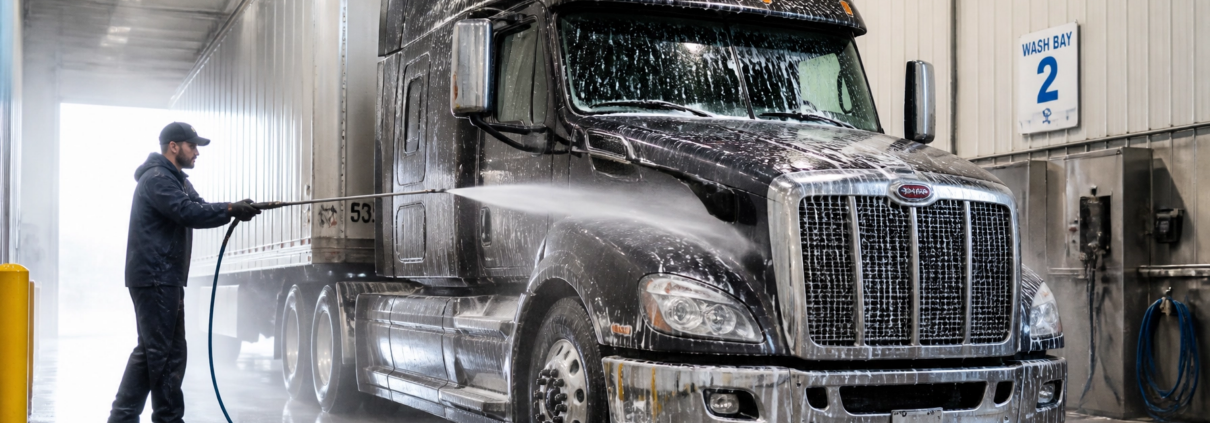
Commercial fleet truck gleaming after a heavy-duty pressure wash inside a professional wash bay.

Why Choosing the Right Partner Matters

At Pro Chemical Products, we don't just sell chemicals; we provide solutions. We understand that your business relies on efficiency. Using a sub-par degreaser means more labor hours, more scrubbing, and higher costs in the long run. By choosing professional-grade products designed for the specific task at hand: whether it’s acid cleaners for aluminum brightening or solvents for parts cleaning: you are investing in the longevity of your equipment.

Our commitment to quality ensures that you get products that are:

  • Highly Concentrated: Save money by diluting the product to the exact strength you need.
  • Surface Safe: Formulated to protect the materials you are cleaning.
  • Environmentally Conscious: Moving away from the "danger list" chemicals toward modern, biodegradable surfactants.

Final Pro Tip: The "Sniff Test" for Rinsing

How do you know if you’ve truly finished the job? A pro knows the surface is clean when the water "sheets" off rather than "beading" (which indicates wax or grease is still present) and when there is no slick feeling to the touch. If you are using an alkaline degreaser, the surface should feel "squeaky" clean. If it’s still slippery, there is still soap or grease residue that needs to be rinsed away.

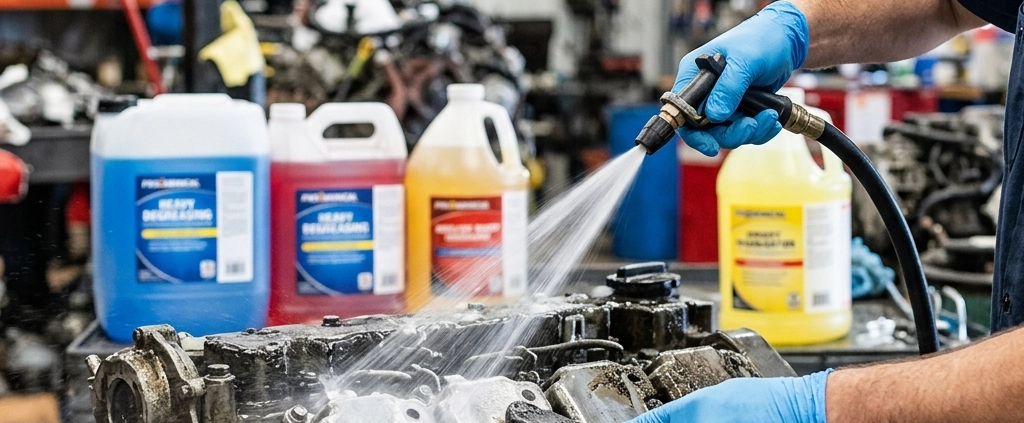
Professional high-pressure rinsing of an industrial engine component to remove grease and residue.

Degreasing doesn't have to be a mystery. By focusing on dwell time, choosing the right chemistry for the surface, and prioritizing safety, you can achieve results that rival any professional cleaning crew.

If you are ready to upgrade your cleaning arsenal or need advice on a specific grease problem, contact us today. We’ve been helping businesses across the country maintain their equipment and facilities with the best industrial cleaning products on the market.

For more tips on maintenance and chemical safety, be sure to check out our other blog posts and explore our full range of solutions at Pro Chemical Products.