7 Mistakes You’re Making with Soft Wash Mixes (and How Pro-Chemical Products Fixes Them)
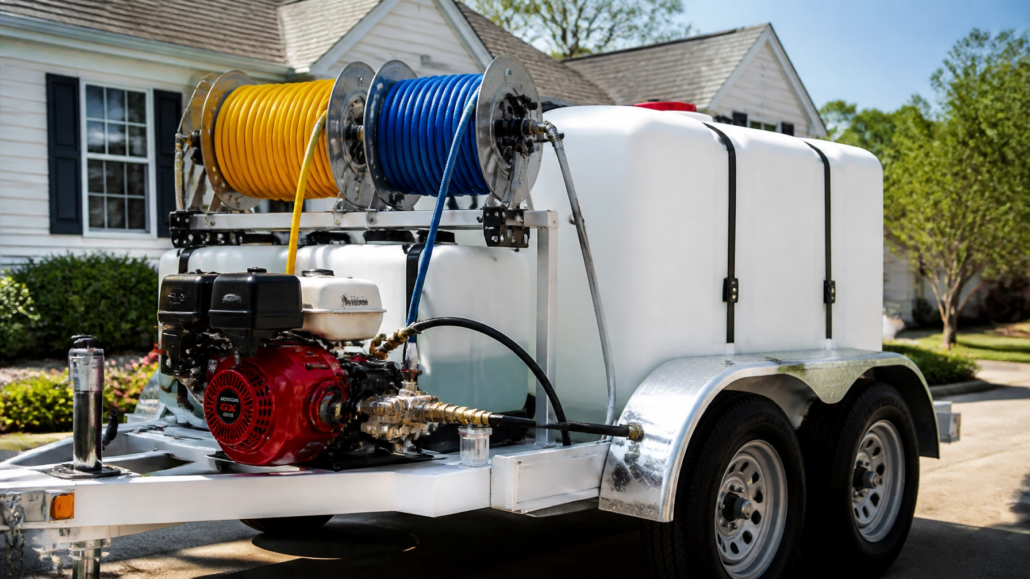
The implementation of soft washing as a primary method for exterior property maintenance has revolutionized the industry, allowing for the effective removal of organic contaminants without the destructive potential of high-pressure water. However, the efficacy of the soft wash process is entirely dependent upon the precision of the chemical formulations utilized. Professionals frequently encounter suboptimal results or unintended property damage due to specific errors in the mixing and application stages.
By analyzing these common procedural failures and implementing standardized chemical protocols, service providers can ensure consistent, high-quality results. This guide examines seven critical errors observed in soft wash operations and illustrates how the specialized products from Pro Chemical Products, such as Surfactant 141 and commercial-grade Sodium Hypochlorite, facilitate a more efficient and professional outcome.
1. Failure to Calculate Precise Solution Strengths
One of the most prevalent errors in the soft wash industry is the reliance on "eyeballing" or approximating chemical ratios rather than calculating the exact percentage of active Sodium Hypochlorite (SH) on the target surface. When the initial strength of the supply chemical is unknown or ignored, the resulting working solution may either be too weak to eliminate organic growth or excessively "hot," potentially damaging delicate substrates and coatings.
For instance, a standard roof mix typically requires an SH concentration of 3% to 5% to effectively eradicate lichen and Gloeocapsa magma. Conversely, a vinyl siding application generally necessitates a significantly milder concentration, often ranging from 0.5% to 1.5% SH. Without precise measurement, the risk of oxidation burn on siding or incomplete cleaning on roofs is significantly increased.
Pro Chemical Products provides commercial-strength Sodium Hypochlorite with consistent laboratory-verified concentrations. This allows technicians to utilize standardized dilution charts with confidence, ensuring that the final application strength is exactly tailored to the requirements of the substrate.
2. Deployment of Incompatible or Non-SH Stable Surfactants
A common misconception is that any foaming agent or detergent can be successfully integrated into a soft wash mix. In reality, many general-purpose detergents are not stable when exposed to high concentrations of Sodium Hypochlorite. When an incompatible surfactant is utilized, the bleach can rapidly degrade the detergent's molecular structure, neutralizing its foaming capabilities and potentially creating unwanted chemical byproducts.
A specialized surfactant must be SH-stable to maintain its integrity within the mix. The primary function of the surfactant is to lower the surface tension of the water, allowing the bleach to penetrate the cellular walls of mold and algae more effectively. Furthermore, it provides the "cling" necessary for the solution to remain on vertical or inclined surfaces rather than immediately running off into the drainage system.

Pro Chemical Products offers Surfactant 141, a formulation specifically engineered for compatibility with Sodium Hypochlorite. The utilization of Surfactant 141 ensures that the mix maintains a thick, stable foam that facilitates extended dwell times on challenging surfaces like steep-slope asphalt shingles or vertical EIFS (Exterior Insulation and Finish Systems).
3. Neglect of Phytotoxicity Mitigation Protocols
Soft washing involves the application of potent biocides which, if mismanaged, pose a significant risk to surrounding vegetation. A critical mistake made by many technicians is the omission of thorough pre-wetting and post-rinsing protocols for the property’s landscaping.
Sodium Hypochlorite functions by oxidizing organic matter. Plants, being organic organisms, are highly susceptible to "chemical burn" or phytotoxicity if the soft wash solution is allowed to dry on their leaves or saturate their root systems. To mitigate this risk, a professional protocol must be implemented:
- Pre-Wetting: All foliage and soil within the potential overspray zone must be saturated with fresh water prior to chemical application. This creates a protective moisture barrier on the leaves and dilutes any chemical that reaches the soil.
- Active Rinsing: During the application process, a dedicated technician should continually rinse plants to prevent the accumulation of concentrated chemicals.
- Post-Treatment Rinsing: Once the cleaning process is complete, a final, comprehensive rinse ensures that all residual chemicals are neutralized and washed away from the landscaping.
Utilizing professional-grade equipment and chemicals assists in the speed of the cleaning process, thereby reducing the window of exposure for the surrounding environment.
4. Inadequate Contact and Dwell Intervals
Chemistry requires time to interact with contaminants. A frequent error in the field is the premature rinsing of the soft wash solution. If the mix is rinsed before the Sodium Hypochlorite has had sufficient time to fully oxidize the organic growth, the results will be uneven, often requiring a second application and increasing overall chemical consumption.
Dwell time is influenced by several variables, including the concentration of the mix, the ambient temperature, and the severity of the organic loading. On a standard house wash, a dwell time of 5 to 10 minutes is typically sufficient. However, heavy roof lichen may require 20 minutes or longer to fully detach.

By utilizing Surfactant 141, the dwell time is naturally optimized because the solution remains adhered to the surface for a longer duration. This prevents the solution from drying prematurely, which is a common issue in high-temperature environments. For more detailed instructions on mastering these intervals, professionals are encouraged to review the Sodium Hypochlorite 101 guide.
5. Substitution of Chemical Efficacy with Mechanical Pressure
When a chemical mix fails to produce the desired result, often due to the aforementioned mistakes, some operators react by increasing the water pressure. This transition from soft washing to pressure washing on delicate substrates is a technical failure that can lead to permanent property damage.
High pressure can easily force water behind vinyl siding, leading to interior mold growth, or strip the protective granules from asphalt shingles, significantly shortening the lifespan of the roof. The "soft" in soft wash is a commitment to letting the chemistry perform the work. If the algae is not disappearing, the solution is to adjust the chemical concentration or the surfactant load, not to increase the PSI.
Adhering to a professional standard means recognizing when a mix needs more "bite" and adjusting the ratio of Pro Chemical Products' Sodium Hypochlorite accordingly. This technical approach preserves the integrity of the substrate while achieving a superior clean.
6. Hyper-Saturation of Surfactant Concentration
While the inclusion of a surfactant is essential, the "more is better" philosophy is counterproductive in soft wash applications. Excessive surfactant concentrations lead to several operational challenges:
- Extended Rinsing Requirements: Over-foaming necessitates a much higher volume of water to fully clear the surface, increasing labor time and water usage.
- Residue and Filming: High concentrations of surfactants can leave a microscopic film on glass and polished surfaces, which can attract atmospheric dust and grime shortly after the service is completed.
- Pump Cavitation: Some surfactants, when over-used, can cause issues within the pump system of the soft wash rig.
The correct utilization of Surfactant 141 involves following the manufacturer-recommended dosages, typically 1 to 2 ounces per gallon of water in the final mix. This precise concentration provides the necessary adhesion without the negative side effects of over-saturation.

7. Hazardous Chemical Cross-Contamination
Perhaps the most dangerous mistake in the cleaning industry is the improper mixing of incompatible chemicals. Soft wash systems primarily utilize Sodium Hypochlorite, which is an alkaline biocide. Under no circumstances should SH be mixed with acids (such as those found in rust removers or certain masonry cleaners).
The combination of bleach and acid triggers a chemical reaction that releases chlorine gas, which is highly toxic and can be fatal if inhaled in a confined space. Similarly, mixing bleach with certain ammonia-based cleaners or non-compatible degreasers can create hazardous chloramines.
Professional safety standards dictate that all tanks must be clearly labeled and that the plumbing system must be thoroughly flushed with fresh water before switching between different chemical types. Utilizing a dedicated supplier like Pro Chemical Products ensures that technicians have access to consistent formulations and clear safety data sheets (SDS) to prevent such dangerous occurrences. For more information on why high-quality chemicals are vital for business safety and success, see 10 Reasons Your Pressure Washing Business Needs Better Chemicals.
Conclusion: Elevating Professional Standards with Pro Chemical Products
The transition from a basic cleaner to a soft wash professional requires a commitment to chemical precision and procedural discipline. By avoiding the common mistakes of guesswork, improper surfactant selection, and safety negligence, service providers can deliver results that justify premium pricing and foster long-term customer loyalty.

Since 1971, Pro Chemical Products has assisted industry professionals by manufacturing high-performance cleaning solutions designed for the rigors of the field. Whether utilizing our commercial Sodium Hypochlorite for large-scale roof restorations or Surfactant 141 for precision house washing, our customers benefit from decades of technical expertise and a dedication to quality.
For technical inquiries or to procure professional-grade soft wash chemicals, please contact our team at (574) 264-3323 or visit us at our Elkhart, Indiana facility. Maintaining professional standards is facilitated by utilizing the right tools for the job: Pro Chemical Products is your partner in achieving that excellence.

Leave a Reply
Want to join the discussion?Feel free to contribute!