
Are You Making These Common Soft Wash Mistakes? (And How Surfactant 141 Fixes Them)
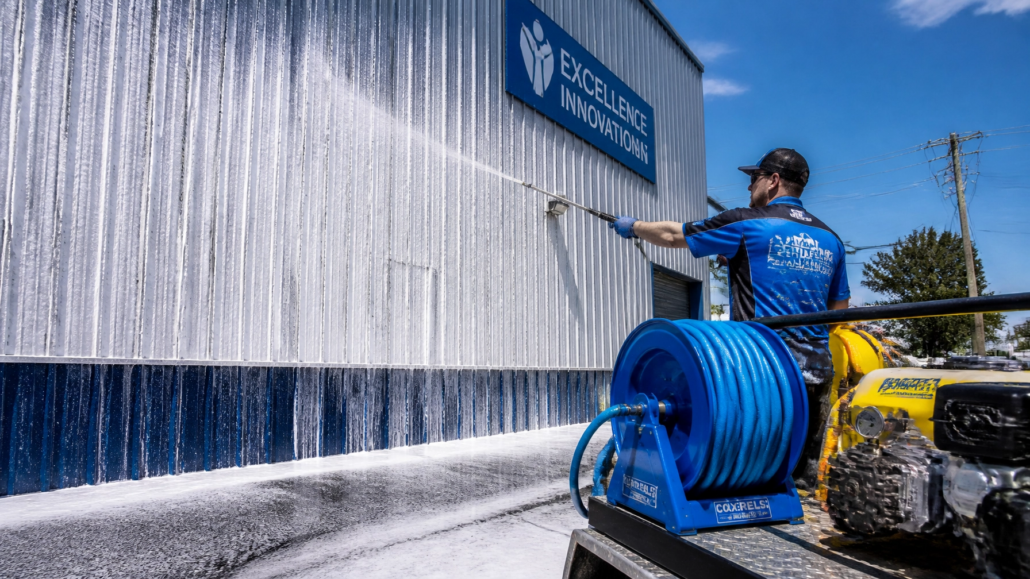
The implementation of soft washing as a primary method for cleaning delicate exterior surfaces has revolutionized the industrial maintenance industry. Unlike traditional high-pressure washing, which relies on mechanical force to dislodge debris, soft washing is a chemical-centric process. It utilizes specialized solutions to neutralize organic contaminants such as mold, mildew, algae, and lichen at their biological roots. However, the transition from high-pressure methods to chemical-based soft washing introduces a new set of variables that must be meticulously managed. When these variables are overlooked, the results are often suboptimal, leading to property damage, chemical waste, and environmental hazards.
A primary component in a successful soft wash system is the surfactant. Within the catalog of Pro-Chemical Products, Surfactant 141 is recognized as a high-performance additive specifically engineered to augment the efficacy of sodium hypochlorite (bleach) solutions. By examining common operational errors, professional technicians can better appreciate how the integration of advanced surfactants facilitates superior cleaning results while minimizing risk.
Mistake 1: Inadequate Dwell Time and Excessive Chemical Runoff
One of the most frequent errors in soft washing is the failure to maintain sufficient dwell time. In chemical cleaning, "dwell time" refers to the duration the active cleaning agent remains in contact with the substrate before being rinsed. If a solution is applied and subsequently runs off the surface too quickly, the chemical reaction required to oxidize organic growth is prematurely halted.
On vertical surfaces: such as vinyl siding, stucco, or dryvit: gravity acts as a constant deterrent to dwell time. Standard bleach and water mixtures possess low viscosity and high surface tension, causing them to bead and cascade down the surface, often pooling at the base of the structure. This not only renders the cleaning process ineffective but also increases the risk of damage to landscaping and perimeter vegetation.
The Solution: Surfactant 141 and Surface Adhesion
Surfactant 141 is formulated to drastically reduce surface tension and increase the viscosity of the cleaning solution. When utilized in a soft wash mix, it creates a stable, thick foam that adheres to vertical substrates. This "cling" ensures that the sodium hypochlorite remains in direct contact with the contaminants for the necessary duration. According to industry standards maintained by organizations like the Power Washers of North America (PWNA), dwell time is the most critical factor in achieving a biological kill without resorting to destructive mechanical force. By utilizing Surfactant 141, the operator ensures that the chemistry is allowed to complete its task, resulting in a deeper clean with fewer applications.

Mistake 2: Incorrect Chemical Concentration and Mixing Ratios
In the pursuit of speed, many operators "eyeball" their chemical mixtures or utilize concentrations that are excessively high. While it may seem that a stronger bleach solution would yield faster results, the reality is often the opposite. High concentrations of sodium hypochlorite can be corrosive to metal fixtures, detrimental to paint finishes, and highly toxic to the surrounding environment. Conversely, a mixture that is too weak will fail to remove stubborn lichen or moss, necessitating repeated applications and increasing labor costs.
Achieving Chemical Synergy
The objective of professional soft washing is to achieve the "lowest effective concentration." This is the point where the solution is strong enough to kill the organic growth but mild enough to protect the substrate and surroundings. Surfactant 141 assists in this balance. Because it improves the "wetting" ability of the water, it allows the sodium hypochlorite to penetrate porous surfaces more effectively. When a solution can penetrate deeper into the pores of concrete or the crevices of siding, a lower total volume of chemical is required to achieve the desired outcome. Pro-Chemical Products provides formulations that ensure stability when mixed with commercial-grade Sodium Hypochlorite, preventing the premature degradation of the active ingredients.
Mistake 3: Over-Reliance on Mechanical Pressure
The term "soft wash" implies a low-pressure application, typically below 500 PSI. However, a common mistake occurs when a technician, frustrated by slow chemical action, increases the pressure on the pump to "blast" away remaining stains. This is particularly hazardous on roofing materials, such as asphalt shingles, where high pressure can dislodge the protective granules, or on wood siding, where it can cause "fuzzing" or permanent pitting.
The Chemistry-First Approach
The philosophy of soft washing dictates that the chemistry should perform the work, not the water pressure. If a surface is not coming clean at low pressure, the issue is almost always related to the chemical mix or the dwell time, not the lack of PSI. Surfactant 141 produces a visible foam trail, which acts as a marking agent. This allows the operator to verify total coverage and monitor the reaction in real-time. If the foam disappears too quickly, it indicates that the surface is highly porous or that the organic load is significant, signaling the need for a targeted re-application rather than an increase in pressure.

Mistake 4: Neglecting Environmental Safety and Runoff Management
Soft washing involves the application of oxidizing agents that can be harmful if not managed correctly. A major operational mistake is the failure to account for runoff and overspray. Without a high-quality surfactant, the liquid solution is prone to drifting in the wind or running into storm drains and flower beds. This can lead to the death of expensive landscaping or environmental non-compliance.
Precision Application with Pro-Chemical Products
By incorporating Surfactant 141, the physical properties of the spray are modified. The foam created is heavier and more controlled than a simple liquid mist. This facilitates precision application, allowing the technician to apply the product exactly where it is needed while minimizing drift onto unintended areas. Furthermore, the high-foaming nature of the product makes it easier to track the flow of runoff, enabling the team to redirect or neutralize it before it enters sensitive areas. For those requiring specific safety data or application guidance, the Pro-Chemical Products contact team provides professional support to ensure compliance and safety.
Technical Specifications: Why Surfactant 141?
Surfactant 141 is not a standard soap; it is a specialized surfactant blend designed for the unique rigors of the pressure washing industry. Its chemical composition is engineered to be bleach-stable, meaning it will not break down or lose its foaming properties when mixed with high concentrations of sodium hypochlorite.
Key Functional Benefits:
- Enhanced Wetting: Reduces the surface tension of water, allowing the solution to spread evenly and penetrate microscopic pores.
- High Foam Profile: Generates a dense, stable foam that maximizes dwell time on vertical and sloped surfaces.
- Scent Masking: Assists in masking the pungent odor of bleach, which is a significant benefit when working in residential or high-traffic commercial areas.
- Compatibility: Fully compatible with other Pro-Chemical Products and standard soft wash equipment.

Implementation Guide: The Optimal Soft Wash Mix
To avoid the aforementioned mistakes, a standardized mixing protocol should be established. While specific ratios may vary based on the severity of the organic growth, the following general guidelines are utilized by industry professionals:
- Preparation: Pre-wet all surrounding vegetation and sensitive surfaces with fresh water.
- Mixing: In a dedicated soft wash tank, combine the desired concentration of Sodium Hypochlorite (typically 1% to 6% for residential applications) with water.
- Additive Integration: Add Surfactant 141 at a ratio of approximately 1 to 2 quarts per 100 gallons of mix, depending on the desired foam density.
- Application: Apply from the bottom up on vertical surfaces to prevent streaking, utilizing a low-pressure fan tip.
- Dwell and Observation: Allow the foam to dwell for 10-15 minutes. Observe the color change of the organic growth (from green/black to brown/clear).
- Rinsing: Rinse thoroughly with low-pressure water, ensuring all surfactant and bleach residues are removed from the substrate and surrounding areas.
Conclusion
The transition to soft washing represents a significant advancement in property maintenance, but it requires a commitment to chemical literacy and precision. Common mistakes such as inadequate dwell time, improper ratios, and excessive pressure can be mitigated through the use of high-quality additives. Surfactant 141 by Pro-Chemical Products serves as a critical tool for the professional washer, providing the adhesion and penetration necessary for a successful, damage-free clean. By prioritizing the role of chemistry over mechanical force, businesses can ensure long-term substrate integrity and superior customer satisfaction.

For more information on professional-grade cleaning solutions or to explore our full range of industrial chemicals, visit Pro-Chemical Products.

Leave a Reply
Want to join the discussion?Feel free to contribute!