Industrial Degreasing Essentials: How CA Orange Tackles Heavy Grease and Grime on the First Pass
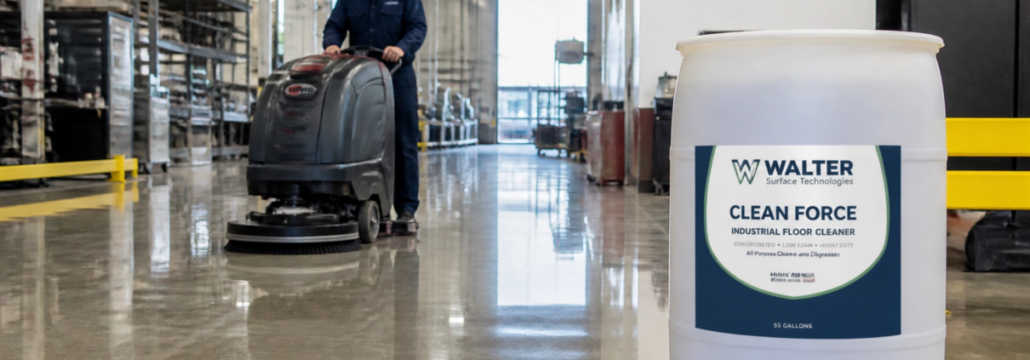
Heavy grease, petroleum oils, carbon deposits, and embedded industrial grime can interfere with equipment maintenance, floor safety, production efficiency, and vehicle appearance. When a general-purpose cleaner is insufficient, a concentrated alkaline degreaser can provide the chemical strength required to loosen and emulsify difficult soils before rinsing.
CA Orange from Pro Chemical Products is an alkaline, non-butyl, super-strength industrial degreaser formulated for demanding cleaning environments. It is designed for heavy equipment, industrial plants, greasy surfaces, and other hard, non-porous substrates where a first-pass cleaning process is preferred.
Although cleaning results are influenced by soil load, surface type, water temperature, dilution, dwell time, and mechanical action, the correct degreaser can significantly reduce repeated scrubbing and reapplication.
What Makes CA Orange Different?
CA Orange is categorized as a high-alkaline, non-butyl detergent cleaner and degreaser concentrate. Its formulation is intended to penetrate oily soils, loosen their bond with the substrate, and suspend the resulting contaminants in water for removal.
The primary cleaning mechanisms include:
- Alkaline hydrolysis and saponification: Alkalinity assists in converting certain fats and oils into more water-soluble compounds.
- Surfactant action: Surfactants reduce surface tension, improving wetting and penetration into oily films.
- Emulsification: Grease and oil are dispersed into the cleaning solution so that they can be rinsed away rather than simply relocated.
- Mechanical soil displacement: Agitation or pressure rinsing assists in removing deposits that have been chemically loosened.
The non-butyl composition distinguishes CA Orange from traditional degreasers containing 2-butoxyethanol, commonly referred to as butyl cellosolve. The EPA’s resource on 2-butoxyethanol provides additional information regarding the chemical and its risk-management considerations.
A non-butyl formulation does not eliminate the need for chemical controls or personal protective equipment. CA Orange remains a concentrated alkaline chemical and should be managed in accordance with its current label, Safety Data Sheet, facility procedures, and applicable regulations.
Why First-Pass Degreasing Matters
Repeated cleaning passes increase labor requirements, water consumption, equipment downtime, and chemical usage. In manufacturing, fleet washing, food service, and janitorial operations, these inefficiencies can affect daily production schedules and service consistency.
A first-pass strategy does not mean that every deposit will be removed immediately under every condition. Instead, it refers to selecting a product and process capable of addressing the principal soil burden during the initial chemical application.
The following factors influence first-pass performance:
- Soil classification: Petroleum grease, hydraulic oil, animal fats, carbon, road film, and food residues require different levels of chemical action.
- Surface composition: Concrete and many other hard, non-porous materials generally tolerate stronger alkaline cleaning than sensitive coatings or soft metals.
- Concentration: Heavy deposits require a stronger solution than routine maintenance soils.
- Dwell time: Sufficient contact time is required for chemical penetration and emulsification.
- Rinsing: Complete rinsing is necessary to remove suspended soil and alkaline residue.
Industrial Manufacturing Applications
Manufacturing facilities frequently contain a combination of machinery oils, cutting fluids, hydraulic residues, carbonaceous deposits, and tracked-in soil. These contaminants can accumulate on floors, equipment housings, parts, loading areas, and maintenance benches.
CA Orange can be evaluated for applications such as:
- Degreasing industrial machinery and equipment exteriors.
- Removing hydraulic oil from concrete floors.
- Cleaning forklift tire marks and accumulated shop grime.
- Preparing metal components for inspection, repair, or further processing.
- Removing lubricant and coolant residue from hard, non-porous surfaces.
- Cleaning maintenance areas, loading zones, and service bays.
Surface compatibility must be confirmed before broad application. Aluminum, painted finishes, polished metals, rubber components, and other sensitive materials may require a lower concentration, shorter dwell time, or an alternative formulation. A small, inconspicuous test area should be evaluated before production-scale use.
The Pro Chemical Products cleaners and degreasers category includes additional formulations for facilities requiring different alkalinity, foaming characteristics, or soil-removal profiles.
Fleet Washing and Trucking Operations
Fleet vehicles accumulate road film, diesel residue, exhaust deposits, brake dust, grease, and environmental contaminants. Chassis components, wheel areas, engine compartments, trailers, and equipment surfaces often require more aggressive cleaning than painted exterior panels.
CA Orange may be considered for heavy-duty fleet maintenance tasks involving:
- Chassis and undercarriage grease.
- Engine-bay oil and dirt accumulation.
- Trailer floors and hard, non-porous equipment surfaces.
- Greasy service areas surrounding trucks and trailers.
- Heavy soil deposits that remain after a standard vehicle wash.
The product should be applied according to the current label and tested for compatibility with aluminum, polished metal, paint, decals, protective coatings, and other vehicle materials. When a dedicated truck and trailer wash is more appropriate, Pro Chemical Products’ fleet washing product line includes CTW-100, a concentrate specified for road film, brake dust, exhaust, and bug deposits.
A practical fleet-cleaning process generally includes:
- Removing loose soil with a preliminary rinse.
- Applying the properly diluted cleaner to a cool, shaded surface.
- Working in manageable sections to prevent premature drying.
- Allowing controlled dwell time without permitting the product to dry.
- Agitating heavily soiled areas when necessary.
- Rinsing thoroughly from top to bottom.

Food Service and Commercial Kitchen Considerations
Commercial kitchens produce difficult organic soils, including polymerized vegetable oils, animal fats, carbonized food residues, and grease deposits. These materials can accumulate on floors, walls, equipment exteriors, exhaust hoods, and surrounding surfaces.
CA Orange may be evaluated for heavy degreasing of suitable hard, non-porous surfaces in food service support areas. However, product selection must be based on the label, facility sanitation program, and surface requirements. Food-contact surfaces require products specifically permitted for the intended use, followed by the required potable-water rinsing and sanitizing procedures.
CA Orange should not be treated as a substitute for a designated food-contact cleaner or sanitizer unless the current product documentation expressly permits that application.
For purpose-specific kitchen cleaning, Pro Chemical Products’ food service cleaner line includes Grease Away for ovens, grills, and hoods, along with commercial dishwashing and deliming products. This category-based approach allows a facility to assign each formulation to the soil and process for which it is intended.

Janitorial and Facility Maintenance Uses
Janitorial teams and facility managers often maintain mixed-use buildings containing warehouses, workshops, garages, service corridors, and mechanical areas. A concentrated degreaser can be valuable when routine neutral cleaners cannot remove petroleum soils or accumulated maintenance grime.
Potential janitorial applications include:
- Concrete floors in workshops and loading docks.
- Waste-handling areas with oily residue.
- Equipment rooms and mechanical spaces.
- Garage floors and service bays.
- Grease-affected walls, thresholds, and utility areas.
- Floor drains and surrounding surfaces, where permitted by site procedures.
CA Orange should be distinguished from neutral floor-maintenance products. For example, Meta Mop is formulated as a totally neutral, no-rinse cleaner for maintaining finished floors. A high-alkaline degreaser may compromise floor finishes if it is applied indiscriminately. The cleaner should therefore be matched to the soil, finish, and maintenance objective.
Recommended Application Principles
Product performance is optimized when the chemical process is controlled rather than improvised. For heavy grease and grime, the following procedure should be considered:
- Dilution: Begin with the manufacturer’s recommended concentration. Heavy-duty cleaning may require a stronger solution, while maintenance cleaning can generally be performed at a greater dilution.
- Coverage: Apply enough solution to wet the entire soil layer.
- Dwell: Permit several minutes of contact time, provided the surface remains wet and the label allows it.
- Agitation: Utilize a stiff brush, floor machine, pressure washer, or other compatible mechanical method when deposits are thick or partially carbonized.
- Rinsing: Rinse with clean water until loosened soil and chemical residue have been removed.
- Verification: Inspect the surface after drying to confirm that grease, residue, and streaking have not remained.
Chemical-resistant gloves, eye protection, protective clothing, and adequate ventilation should be selected according to the current SDS and site hazard assessment. Degreasing runoff should also be managed through the facility’s wastewater, oil-separation, and environmental compliance procedures. Discharge into storm drains or untreated soil should not be permitted.
Why Choose Pro Chemical Products?
Established in 1971, Pro Chemical Products is a family-owned manufacturer serving industrial, commercial, fleet, food service, janitorial, and specialty cleaning markets. The company provides professional-grade formulations across multiple chemical categories and also develops custom blends for industry-specific requirements.
CA Orange represents one option within the broader Pro Chemical Products portfolio. Its alkaline, non-butyl, super-strength profile is appropriate for facilities seeking concentrated grease-removal capability across demanding applications. Additional technical guidance and product-selection support can be requested through the Pro Chemical Products contact page.
Final Evaluation
Effective industrial degreasing depends on more than chemical strength. The correct product must be paired with appropriate dilution, dwell time, agitation, rinsing, surface compatibility, worker protection, and wastewater controls.
CA Orange provides a practical solution for heavy grease and grime on suitable hard, non-porous surfaces. It can be evaluated in manufacturing facilities, fleet and trucking operations, janitorial programs, and selected food service support applications. When the formulation is matched correctly to the soil and substrate, the first cleaning pass can be made substantially more productive and consistent.


Leave a Reply
Want to join the discussion?Feel free to contribute!