
Are Your Soft Wash Mixes Failing? 7 Mistakes You’re Making (and How to Fix Them)
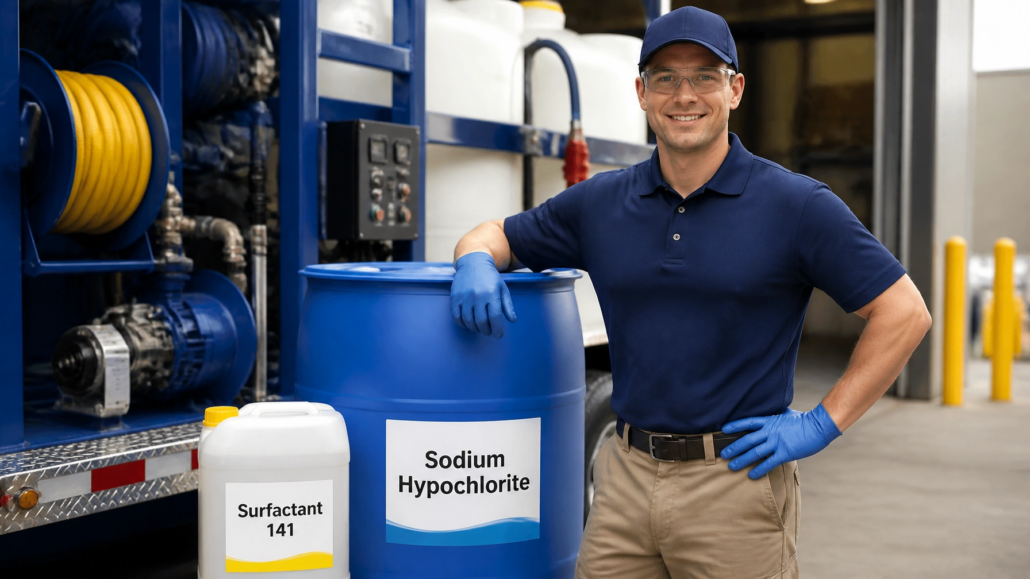
The efficacy of soft washing operations is inherently dependent upon the precision of chemical formulations and the rigor of application protocols. While the methodology is designed to minimize mechanical stress on surfaces, the reliance on chemical action necessitates a sophisticated understanding of stoichiometry and surfactant behavior. Inconsistencies in results, ranging from persistent organic growth to unintended substrate damage, are frequently attributable to specific procedural errors. This technical analysis identifies seven prevalent mistakes in soft wash mixing and application and provides the remedial measures required to optimize operational performance.
1. Imprecise Calculation of Sodium Hypochlorite Concentrations
A primary factor in the failure of soft wash applications is the lack of precision in determining the active concentration of sodium hypochlorite (SH) on the target surface. Inaccurate mixing, often colloquially referred to as "eyeballing," results in solutions that are either insufficiently potent to eliminate biological contaminants or excessively aggressive, risking damage to delicate finishes and surrounding vegetation.
To achieve consistent results, the initial strength of the stock SH must be established. Over time, sodium hypochlorite undergoes natural degradation, reducing its concentration of available chlorine. Professional grade sodium hypochlorite utilized in industrial applications typically ranges from 10% to 12.5%. The target percentage for a specific task: such as 1% for a standard house wash or up to 4% for heavy roof infestation: must be calculated based on the dilution ratio of the equipment.
The Solution: Precise measurement tools, including graduated cylinders and flow meters, must be utilized. A thorough understanding of the equipment's draw rate is essential for calculating the final concentration delivered to the substrate. Regular testing of stock SH strength is recommended to ensure that the calculated ratios remain accurate throughout the product's shelf life.
2. Suboptimal Surfactant Selection and Dosage
The function of a surfactant in a soft wash mix is to reduce the surface tension of the liquid, thereby improving the wetting of the substrate and increasing the dwell time of the oxidizer. A common error is the utilization of household detergents or the incorrect dosage of professional wetting agents. Inadequate surfactant levels lead to rapid runoff, preventing the SH from effectively neutralizing organic growth. Conversely, excessive dosage can lead to lingering residues and prolonged rinsing requirements.

Surfactant 141 from Pro-Chemical Products is engineered to provide superior foaming and adherence characteristics. When properly dosed, it assists the bleach in remaining on vertical surfaces for the duration required for complete sanitization.
The Solution: Adherence to manufacturer-specified dosage rates: typically 1 to 2 ounces of Surfactant 141 per gallon of water in the final mix: is required. The surfactant should be treated as a precision component of the formulation rather than an approximate additive.
3. Insufficient Dwell Time Management
The chemical process of oxidizing organic matter is not instantaneous. A frequent mistake observed in professional operations is the premature rinsing of the cleaning solution. When the dwell time is abbreviated, the SH is unable to penetrate the cellular structure of algae, mold, or lichen, leading to incomplete cleaning and rapid regrowth.
Environmental factors, such as ambient temperature and surface porosity, significantly influence the required dwell time. In high-temperature conditions, the evaporation rate of the solution increases, necessitating closer monitoring to ensure the surface remains moist throughout the treatment period.
The Solution: A standardized dwell period of 10 to 15 minutes is generally recommended for typical applications. The surface must remain saturated during this interval. If the solution begins to dry prematurely, a light application of fresh mix or a fine mist of water may be utilized to maintain chemical activity.
4. Failure to Implement Comprehensive Site Preparation
The highly reactive nature of sodium hypochlorite presents a risk to non-target surfaces, particularly landscaping and sensitive metals. A failure to adequately protect the surrounding environment is a professional error that leads to property damage and liability claims. Salt-sensitive foliage can suffer from foliar burn if exposed to SH drift or runoff.

The Solution: Comprehensive site preparation involves the thorough pre-wetting of all adjacent vegetation. This process saturates the root systems and leaves with fresh water, creating a protective barrier and diluting any inadvertent chemical contact. Furthermore, sensitive items such as copper fixtures or electronic components should be shielded with plastic sheeting or diversionary covers. A final post-rinse of all vegetation is mandatory to ensure any residual chemical is diluted to safe levels.
5. Over-Reliance on Mechanical Pressure
The fundamental principle of soft washing is the replacement of mechanical force with chemical efficacy. A common procedural mistake is the elevation of pump pressure (PSI) when biological stains remain visible. Increased pressure on delicate substrates, such as asphalt shingles or vinyl siding, can cause structural damage, water intrusion, and surface scarring.
The Solution: If the desired results are not achieved within the standard dwell time, the concentration of the chemical mix should be reassessed rather than increasing the pressure. The application of a slightly higher percentage of SH or an adjustment in the surfactant load is the appropriate technical response to stubborn organic growth. Detailed guidance on these adjustments can be found in the Pro-Chemical Products guide to mastering soft washing.
6. Improper Chemical Storage and Handling
The stability of soft wash components, particularly sodium hypochlorite, is compromised by exposure to heat and ultraviolet (UV) radiation. Storing chemicals in uninsulated vehicles or transparent containers leads to rapid degradation, resulting in inconsistent performance in the field. Additionally, the neglect of personal protective equipment (PPE) and safety protocols during the mixing process poses significant health risks to technicians.

The Solution: Chemicals must be stored in opaque, UV-resistant containers in a temperature-controlled environment whenever possible. Frequent stock rotation is necessary to ensure that the active chlorine content remains within specified parameters. Technicians are required to utilize appropriate PPE, including chemical-resistant gloves, goggles, and respiratory protection, as outlined in the Safety Data Sheets (SDS) provided by Pro-Chemical Products.
7. Ignoring Environmental and Substrate Variables
Uniform application across all surfaces without consideration of substrate material or weather conditions is a common cause of operational failure. For example, porous surfaces like limestone or brick require different concentrations and dwell times than non-porous surfaces like glazed tile. Wind speed and direction also affect the accuracy of the spray pattern and the potential for overspray onto neighboring properties.
The Solution: A pre-application assessment of the substrate and current weather conditions is essential. Test patches should be performed on inconspicuous areas to verify the efficacy of the mix and the reaction of the surface. Operational parameters, including nozzle selection and spray angle, must be adjusted dynamically to compensate for wind and architectural complexities.
Conclusion
The transition from a basic cleaning operation to a professional soft washing service is characterized by a commitment to technical precision and chemical expertise. By avoiding these seven common mistakes and utilizing high-quality formulations like Surfactant 141 and professional-grade sodium hypochlorite from Pro-Chemical Products, technicians can ensure consistent, high-quality results. Precision in measurement, adherence to safety protocols, and a thorough understanding of chemical interactions are the hallmarks of a successful soft wash professional.
For further technical assistance or to procure professional-grade chemical solutions, contact the experts at Pro-Chemical Products.


Leave a Reply
Want to join the discussion?Feel free to contribute!